Vinegar for Laundry: How to Use It Properly for Fresher Whites and Softer Towels
White vinegar (especially distilled white vinegar) is a popular laundry helper because its mild acidity can help remove detergent residue, mineral buildup, and some odors. However, it is not a magic whitening agent and should be used correctly.
1. Use it in the rinse cycle
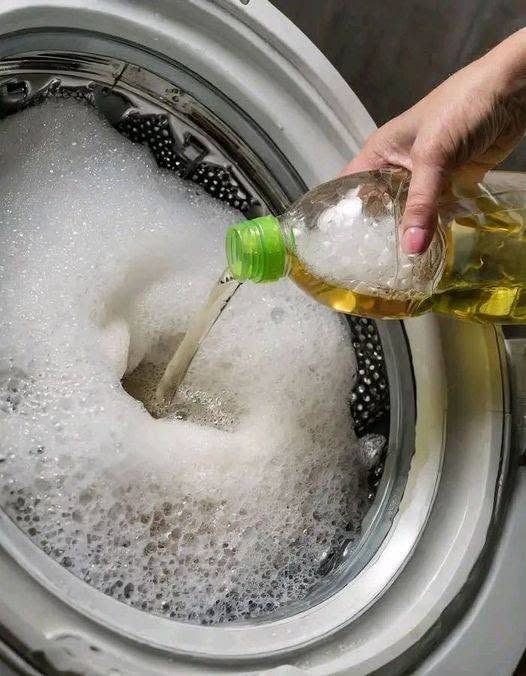
- Add about ½ to 1 cup of distilled white vinegar to the fabric softener dispenser or during the rinse cycle.
- This can help rinse away leftover detergent and leave towels feeling less stiff.
2. Don’t mix vinegar with bleach
- Never combine vinegar and chlorine bleach.
- The mixture can release irritating and dangerous chlorine gas.
3. Avoid using it with every fabric
- Vinegar is not ideal for all materials, especially some delicate fabrics.
- Follow garment care labels, particularly for items made from specialty fibers.
4. Don’t overuse it
- More vinegar is not necessarily better.
- Excessive use over time may affect some rubber parts in certain washing machines and can leave a strong smell.
5. For towels
- Towels often become less absorbent because of fabric softener and detergent buildup.
- A vinegar rinse can help remove residue and improve softness, but avoid adding it together with commercial fabric softener in the same cycle.
6. For whites
- Vinegar may help remove dullness caused by residue, but it does not replace oxygen bleach or proper stain treatment for deep whitening.
A simple routine:
- Wash towels normally with detergent.
- Skip fabric softener.
- Add distilled white vinegar in the rinse compartment.
- Dry towels completely to prevent musty odors.
For tough stains, yellowing, or very hard water problems, a different approach may work better.