High Blood Pressure + High Cholesterol: 3 Morning Habits to Avoid
If you have both high blood pressure and high cholesterol, there isn’t a special “dangerous morning routine.” But some habits can make it harder to control cardiovascular risk over time.
1. 🥓 Starting the day with a salty, processed breakfast
Regularly eating bacon, sausage, ham, salty packaged foods or fast-food breakfasts can add substantial sodium. Too much sodium can raise blood pressure, particularly in people who are sodium-sensitive.
Better: oatmeal, fruit, vegetables, eggs, unsalted nuts, beans, or other minimally processed foods.
2. 🥐 Making sugary or highly processed foods your daily breakfast
Doughnuts, pastries, sugary cereals and sweetened drinks can be high in added sugars and refined carbohydrates while providing little fiber.
Better: choose whole grains, fruit, vegetables and minimally processed protein sources.
3. 🧈 Eating lots of saturated fat
A breakfast containing large amounts of butter, fatty processed meats, full-fat cheese and other foods high in saturated fat can make LDL (“bad”) cholesterol harder to control.
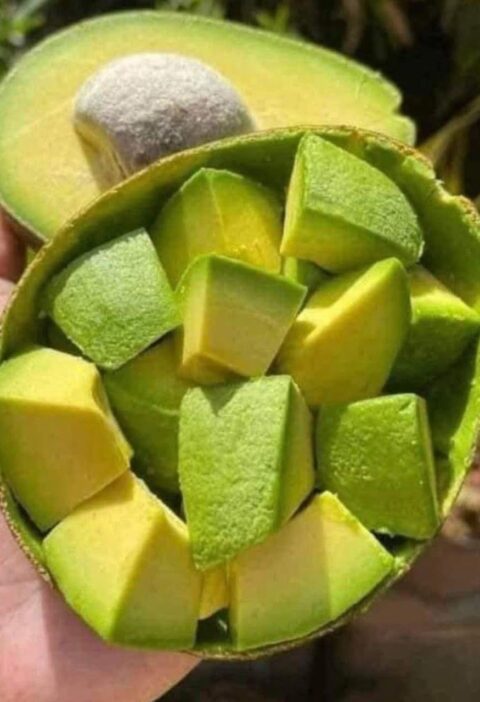
Better: replace some saturated fats with unsaturated fats such as those found in nuts, seeds, avocado and plant oils.
A morning habit that can actually help
If your doctor has recommended home blood-pressure monitoring, measure it before breakfast and before taking your blood-pressure medication, unless you’ve been instructed otherwise. Sit quietly for about 5 minutes, keep your feet flat, support your arm, and take two readings about a minute apart. (heart.org)
And don’t skip prescribed blood-pressure or cholesterol medication simply because you feel well. High blood pressure and high cholesterol often have no symptoms.
Bottom line: Focus less on finding three “forbidden” morning habits and more on a consistent heart-healthy pattern: less sodium and saturated fat, fewer highly processed foods and added sugars, and more vegetables, fruits, whole grains, legumes, nuts and healthy fats.