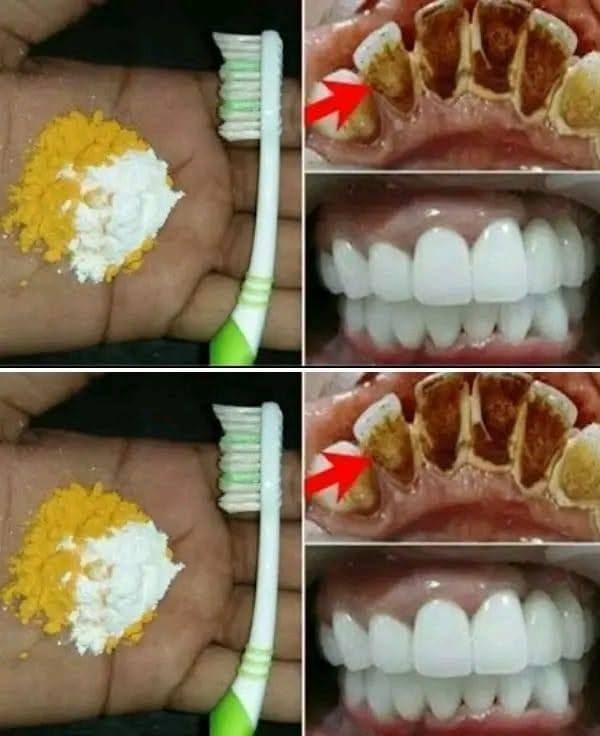
That’s another classic marketing-style claim, and it’s misleading.
You can’t safely or permanently “whiten teeth in 2 minutes” at home. What you can do is temporarily remove surface stains or make teeth look a bit brighter—but real whitening takes time or professional treatment.
What actually happens in “2-minute whitening” tricks
Most viral hacks rely on things like:
- Baking soda (mild abrasive polishing)
- Activated charcoal (surface stain removal only)
- Hydrogen peroxide rinses (very diluted)
- Whitening toothpastes (remove surface stains)
These may:
- Remove surface stains from coffee, tea, or smoking
- Make teeth look slightly cleaner immediately
But they do not change the internal color of teeth.
Why true whitening takes longer
To actually lighten tooth color, you need to affect deeper enamel layers using:
- Professional bleaching gels from a dentist
- Carbamide peroxide or hydrogen peroxide in controlled doses
This process usually takes:
- Several days to weeks for noticeable results
Risks of “quick DIY whitening”
Some viral methods can backfire:
- Enamel erosion (from baking soda or acids like lemon juice)
- Gum irritation (from strong peroxide use)
- Tooth sensitivity
- Long-term yellowing if enamel is damaged
What actually works safely
- Whitening toothpaste (slow but safe)
- Dentist-supervised whitening trays
- Professional cleaning (removes stains, not bleaching)
Bottom line
“2-minute whitening” usually means temporary surface cleaning, not real whitening. Permanent color change takes time and safe chemistry—not quick hacks.
If you want, I can tell you the safest at-home whitening options that actually show results within 1–2 weeks.