You can make a fairly effective homemade herbicide using common household ingredients, but it’s important to know upfront: homemade options usually work best on young weeds or small patches, not deep-rooted or invasive plants.
Here are the most reliable safe DIY options:
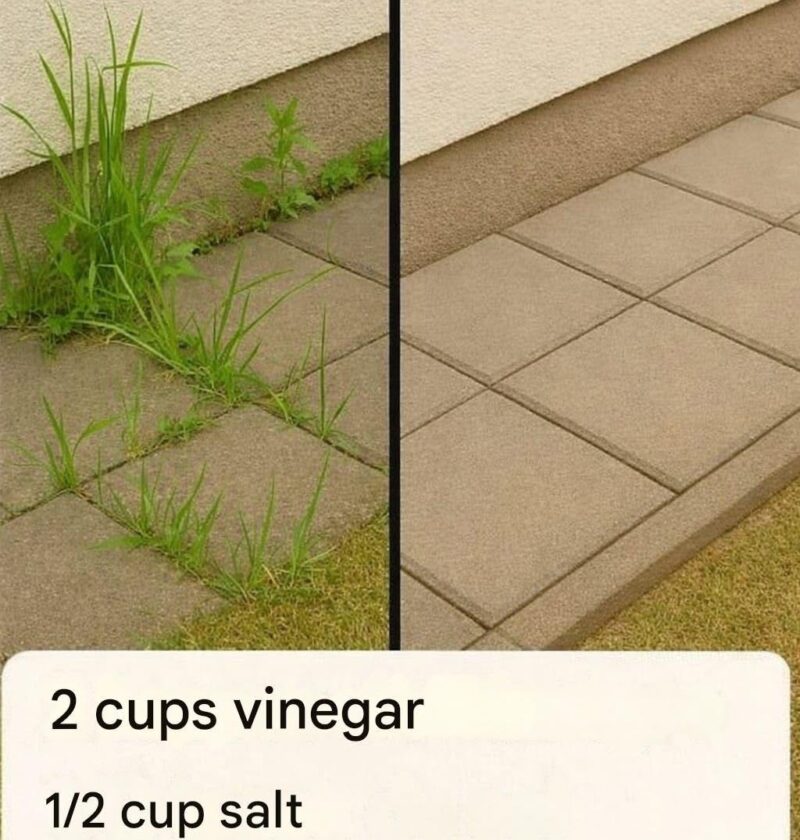
1. Vinegar + Salt + Dish Soap (Most common “strong” mix)
This is the closest thing to a “super effective” homemade weed killer.
Ingredients:
- 1 liter white vinegar (preferably 5–10% acetic acid)
- 2–3 tablespoons salt
- 1 teaspoon liquid dish soap
How it works:
- Vinegar burns the leaves (acidic action)
- Salt dehydrates the plant and disrupts water balance
- Soap helps it stick to leaves
How to use:
- Mix well and pour into a spray bottle
- Spray directly on leaves on a hot, sunny day
- Avoid spraying desired plants—this is non-selective
⚠️ Caution:
Salt can damage soil long-term, making it harder for anything to grow in that spot.
2. Vinegar + Dish Soap (Safer for soil)
If you want something less damaging:
Ingredients:
- 1 liter vinegar
- 1 teaspoon dish soap
Why it’s better:
- No soil salinization from salt
- Still effective on small, young weeds
3. Boiling Water (Underrated but powerful)
- Just boil water and pour directly on weeds
- Works instantly by destroying plant cells
Best for:
- Sidewalk cracks
- Driveways
- Gravel areas
4. Rubbing Alcohol Spray (spot treatment)
Ingredients:
- 1 part rubbing alcohol
- 2 parts water
- A few drops dish soap
Works by drying out plant tissue quickly.
Important Reality Check
Even “super effective” homemade herbicides:
- Usually kill tops of weeds, not deep roots
- May require repeat applications
- Work best in sunny, dry conditions
For stubborn weeds (like deep tap-rooted ones), mechanical removal or commercial herbicides are often more effective.
If you tell me what kind of weeds you’re dealing with (grass weeds, broadleaf, garden beds, driveway cracks, etc.), I can suggest the most effective ex