Baking Soda for Dark Spots, Wrinkles, and Dark Circles: What You Should Know
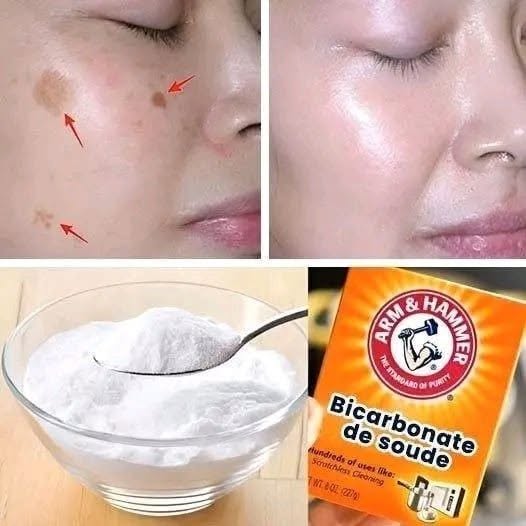
Baking soda (sodium bicarbonate) is often promoted in home skincare remedies, but there is limited scientific evidence that it can remove dark spots, wrinkles, or dark circles. In fact, applying baking soda directly to the face may cause problems for some people.
Why baking soda may be risky for facial skin
- It is alkaline: Healthy skin has a slightly acidic pH. Baking soda can disrupt the skin barrier and cause dryness or irritation.
- It can be abrasive: Scrubbing with baking soda may create tiny skin injuries and worsen sensitivity or pigmentation.
- It may trigger irritation-related darkening: In some people, irritation can lead to post-inflammatory hyperpigmentation, making dark spots worse.
Safer approaches for common concerns
For dark spots:
- Use daily sunscreen (especially SPF 30 or higher) to prevent spots from getting darker.
- Ingredients with better evidence include:
- Vitamin C
- Niacinamide
- Retinoids
- Azelaic acid
For wrinkles:
- Retinoids (such as retinol or prescription retinoids) have stronger evidence for improving fine lines.
- Moisturizers containing ingredients like hyaluronic acid can temporarily improve skin appearance by increasing hydration.
For dark circles:
Dark circles can be caused by:
- Genetics
- Thin skin under the eyes
- Lack of sleep
- Allergies
- Pigmentation
- Blood vessel visibility
Helpful steps may include:
- Getting adequate sleep
- Treating allergies if present
- Using gentle eye products
- Applying sunscreen around the eye area carefully
If you still want to try a baking soda-based product
Avoid applying a baking soda paste directly to your face. If a product contains baking soda as an ingredient, it is generally safer when it has been formulated and tested for skin use.
If you have persistent dark spots, wrinkles, or under-eye circles, the best approach depends on your skin type, age, and the cause of the problem.