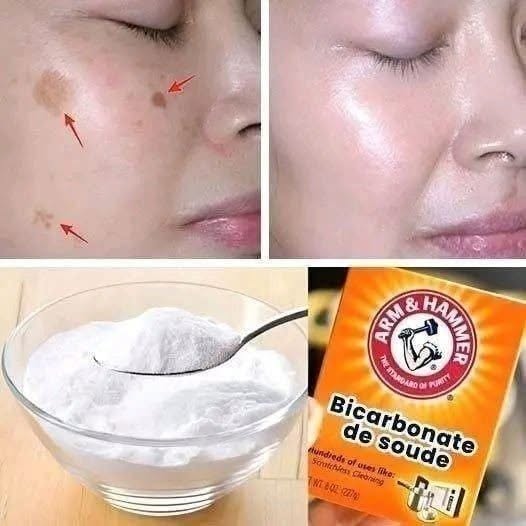
Baking Soda for Dark Spots, Wrinkles & Dark Circles: Does It Work?
Despite viral recipes, baking soda is not a proven treatment for dark spots, wrinkles, or dark circles. Applying it to facial skin can be counterproductive because its alkalinity may irritate and disrupt the skin barrier. Irritation can actually make pigmentation more noticeable. Dermatologists generally recommend gentler, evidence-based treatments instead.
Safer alternatives
Dark spots: Daily broad-spectrum SPF 30+ is essential. Ingredients such as vitamin C, niacinamide, azelaic acid, or retinoids can help depending on the cause.
Wrinkles: Sun protection and a retinoid/retinol have much better evidence than baking soda.
Dark circles: Treatment depends on whether they’re caused by pigmentation, allergies, visible blood vessels, thin skin, or hollows. Sleep, allergy control, sun protection, and appropriate skincare can help some types.
Don’t mix baking soda with lemon juice
This is an especially common DIY recipe. Lemon juice plus baking soda can irritate or burn sensitive facial skin, and citrus exposure can sometimes contribute to abnormal pigmentation.
If you’ve already applied baking soda and your skin is burning or very irritated, rinse it off gently with lukewarm water and use a bland moisturizer. Avoid additional acids, scrubs, or active ingredients until the irritation settles.
Bottom line: There’s no need to use baking soda to get clearer, younger-looking skin. A gentle cleanser, moisturizer, sunscreen, and appropriately selected active ingredient are much safer choices.
If you tell me whether your main concern is brown spots, wrinkles, or dark circles, I can give you a simple morning-and-night routine for it.