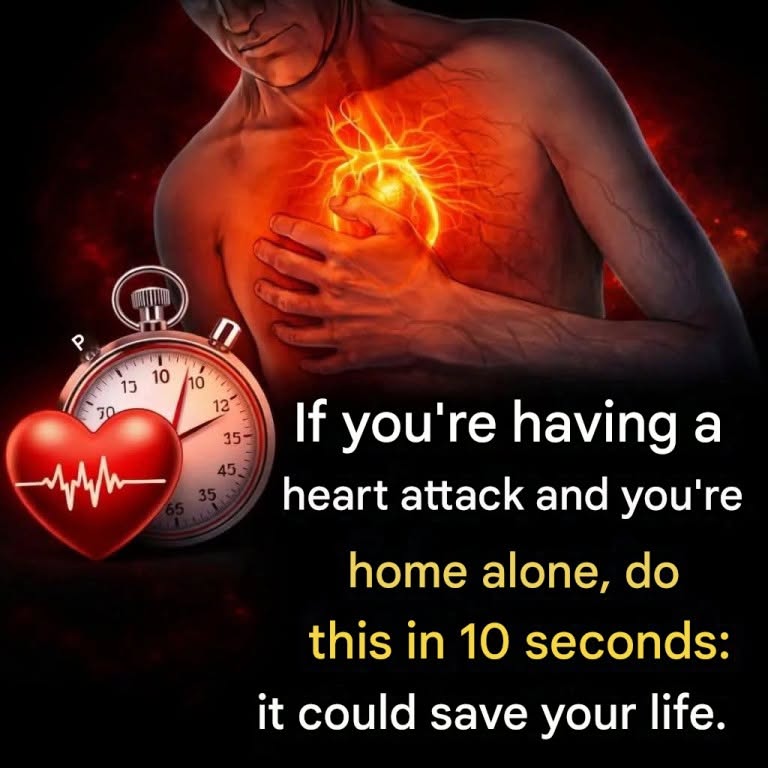
One common myth is that repeatedly coughing (“cough CPR”) can save yourself during a heart attack. This is not recommended for someone who thinks they are having a heart attack at home. “Cough CPR” is only used in very specific, monitored hospital settings for certain heart rhythm problems—not as a self-treatment.
If you think you’re having a heart attack:
- Call your local emergency medical services immediately. Do not try to drive yourself if you have severe symptoms.
- Chew an aspirin (160–325 mg) if:
- you are not allergic to aspirin,
- you have not been told by a healthcare professional to avoid it,
- and you are not having active bleeding.
Chewing helps it work more quickly.
- Rest while waiting for help. Unlock the door if possible so emergency responders can reach you easily.
- If you have prescribed nitroglycerin, take it exactly as directed by your healthcare professional.
Common heart attack symptoms
- Chest pain, pressure, tightness, or squeezing
- Pain that spreads to the arm, shoulder, jaw, neck, or back
- Shortness of breath
- Cold sweat
- Nausea or vomiting
- Lightheadedness or fainting
Symptoms can vary, especially in women, older adults, and people with diabetes. Some heart attacks present with unusual symptoms such as fatigue, indigestion-like discomfort, or shortness of breath without severe chest pain.
If someone collapses and is unresponsive
If the person is unconscious, not breathing normally, or has no pulse that you can confidently identify:
- Call emergency services immediately.
- Begin CPR if you know how.
- Use an automated external defibrillator (AED) as soon as one is available and follow its voice prompts.
Prompt medical treatment is the most effective way to reduce heart damage and improve the chances of survival.