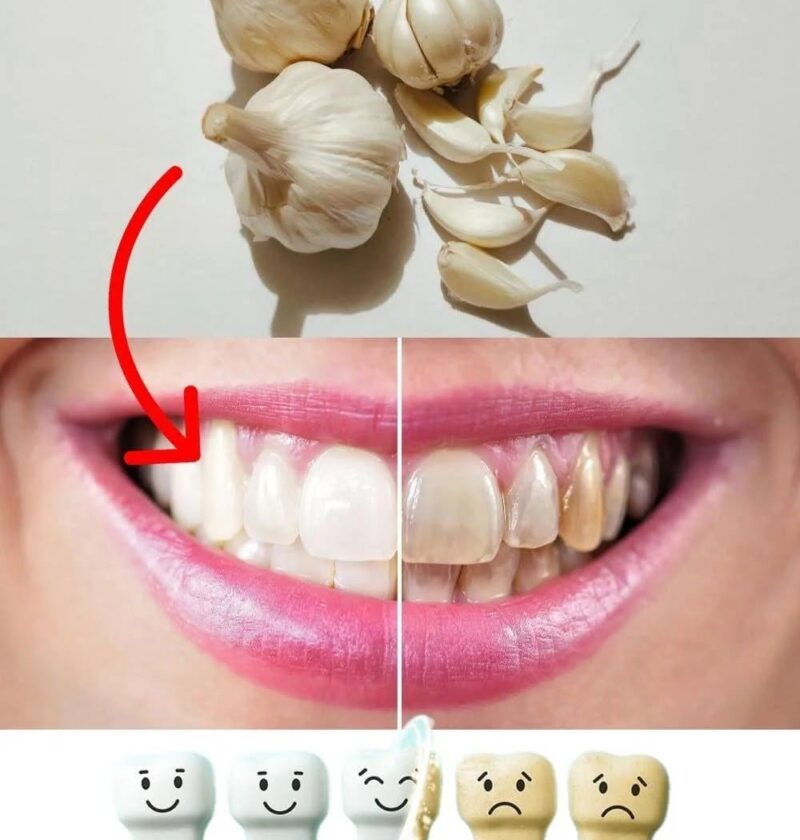
The claim “improve your oral health naturally with garlic” is partly based on garlic’s natural compounds, but it’s often exaggerated in social media posts.
A well-known component of garlic is Garlic, which contains a compound called allicin that has mild antibacterial properties.
What garlic can do (real effects)
1. Mild antibacterial activity
Garlic may help reduce some bacteria in laboratory studies. This is why it’s sometimes included in “natural remedy” lists.
2. Potential reduction in oral bacteria (limited)
Some early research suggests garlic extracts might inhibit certain oral bacteria linked to plaque.
What garlic cannot do
Despite viral claims, garlic:
- Does not cure gum disease
- Does not replace brushing or flossing
- Does not treat tooth infections
- Does not reverse cavities
Conditions like gum disease (gingivitis or periodontitis) require proper dental care.
Downsides of using raw garlic in the mouth
Using garlic directly can cause:
- Burning or irritation of gums
- Bad breath
- Sensitivity or tissue damage if left too long
- Stomach discomfort if swallowed in large amounts
What actually improves oral health
Evidence-based methods include:
- Brushing twice daily with fluoride toothpaste
- Flossing daily
- Regular dental cleanings
- Reducing sugar intake
- Treating gum inflammation early
When garlic might be helpful (realistic use)
Garlic can be part of a healthy diet, and its compounds may support overall health, but it is not a dental treatment.
Bottom line
Garlic has mild antimicrobial properties, but it is not a substitute for dental hygiene or professional care. Most claims about “natural oral healing” are overstated.
If you want, I can list real natural habits that actually reduce plaque and improve gum health (backed by dental research).