The headline “Protect Your Home and Wallet: Unplug These 5 Appliances When You’re Done Using Them” is based on two ideas: reducing fire risk and cutting standby (“phantom”) power use. The advice is partly reasonable, though the savings are often modest with modern appliances.
Common examples include:
- Space heaters
- Unplug when not in use. They are a leading cause of home heating fires if used improperly.
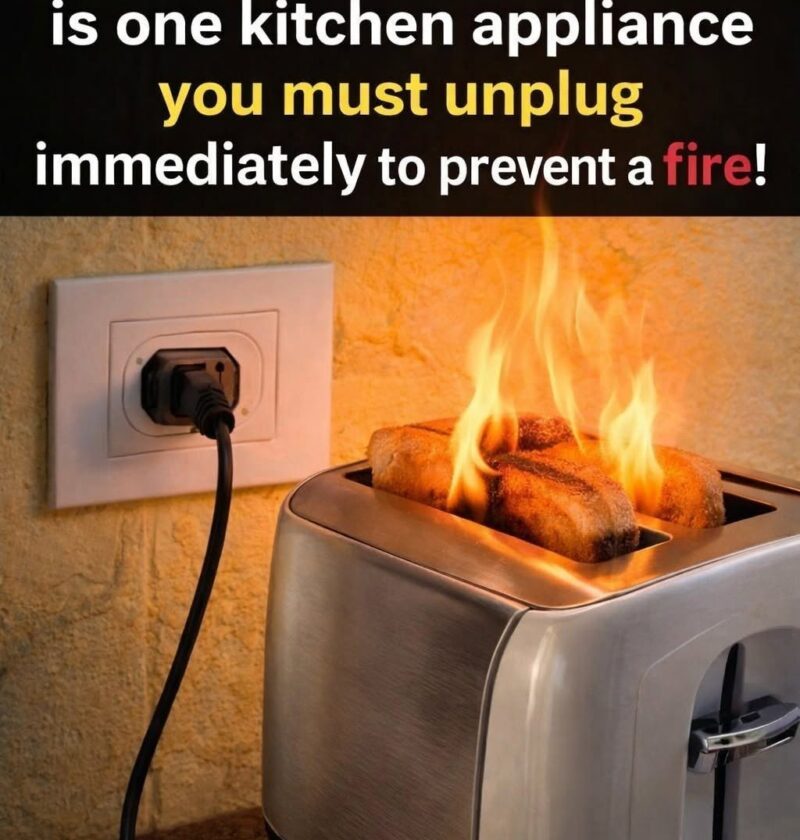
- Toasters and toaster ovens
- Unplugging after use can reduce the risk if there’s a fault or crumbs ignite, though keeping them clean is also important.
- Hair styling tools (hair dryers, curling irons, straighteners)
- Unplug after use, especially in bathrooms, to reduce the risk of burns, fire, or electric shock.
- Coffee makers or electric kettles
- If they don’t automatically switch off, unplugging after use adds an extra layer of safety.
- Phone chargers and small electronics
- Modern chargers use very little electricity when left plugged in, but unplugging them can save a small amount of energy and reduce wear.
Does unplugging save money?
- Yes, but usually not much for modern electronics. Many newer devices have very low standby power consumption.
- Larger savings typically come from reducing the use of high-power appliances (heating, cooling, clothes dryers, and water heaters) rather than unplugging low-power devices.
Good safety habits
- Replace damaged cords or plugs.
- Avoid overloading power strips.
- Use appliances according to the manufacturer’s instructions.
- Turn off and unplug devices before cleaning them when appropriate.
Overall, unplugging high-heat appliances after use is a sensible safety habit, while unplugging every small electronic device is more about modest energy savings than preventing major risks.