Keep These Tips in Mind to Avoid Visiting the Dentist: How to Support Your Teeth and Prevent Cavities Naturally
A healthy smile starts with good daily habits, but many people wonder whether cavities can be repaired naturally at home. The truth is that early tooth decay may sometimes be slowed or reversed through remineralization, but a true cavity—a hole that has formed in the tooth enamel or deeper layers—cannot be completely repaired naturally once the structure of the tooth is damaged.
The best approach is prevention, early detection, and supporting your teeth’s natural ability to stay strong.
Understanding How Cavities Form
A cavity develops when bacteria in the mouth feed on sugars and produce acids. Over time, these acids can weaken and dissolve minerals from the tooth enamel, creating decay.
The process generally happens in stages:
- Mineral loss begins – Early enamel weakening may appear as white spots.
- Enamel breaks down – A small cavity may form.
- Decay reaches deeper layers – Pain, sensitivity, or infection may occur.
In the earliest stage, the tooth can sometimes regain minerals through a process called remineralization.
1. Use Fluoride to Strengthen Tooth Enamel
Fluoride is one of the most researched tools for preventing cavities. It helps strengthen enamel and makes teeth more resistant to acid attacks.
Helpful fluoride habits include:
- Brushing twice daily with fluoride toothpaste.
- Drinking fluoridated water where available.
- Using fluoride treatments recommended by a dental professional.
For children and adults, fluoride use should follow dental guidance, especially for young children who may swallow toothpaste.
2. Reduce Sugar and Frequent Snacking
Sugar does not directly “rot” teeth, but it feeds bacteria that produce cavity-causing acids.
To protect your teeth:
- Limit sugary drinks and sweets.
- Avoid frequent snacking throughout the day.
- Rinse your mouth with water after eating.
- Choose tooth-friendly snacks such as vegetables, cheese, nuts, or plain yogurt.
The frequency of sugar exposure often matters as much as the amount consumed.
3. Eat Foods That Support Strong Teeth
A balanced diet provides nutrients needed for healthy teeth and gums.
Important nutrients include:
Calcium
Found in:
- Milk and dairy products
- Fortified plant-based drinks
- Leafy green vegetables
Vitamin D
Helps the body absorb calcium and supports bone health.
Sources include:
- Sunlight exposure
- Fatty fish
- Fortified foods
Phosphorus
Found in:
- Eggs
- Meat
- Fish
- Dairy products
- Nuts
4. Practice Proper Brushing and Flossing
Daily oral care is the foundation of cavity prevention.
A good routine includes:
- Brush for about two minutes twice a day.
- Clean between teeth daily with floss or interdental brushes.
- Replace toothbrushes when bristles become worn.
- Brush gently to avoid damaging gums and enamel.
5. Drink More Water
Water helps wash away food particles and supports saliva production.
Saliva is naturally protective because it:
- Neutralizes acids
- Helps replace lost minerals
- Removes bacteria and debris
Staying hydrated is one of the simplest ways to support oral health.
6. Chew Sugar-Free Gum
Sugar-free gum containing xylitol may help reduce cavity risk by increasing saliva flow and limiting the activity of certain harmful bacteria.
It can be especially useful after meals when brushing is not immediately possible.
7. Consider Remineralizing Toothpaste
Some toothpastes contain ingredients designed to support enamel strength, such as:
- Fluoride
- Calcium-based compounds
- Hydroxyapatite
These products may help with early enamel changes, but they cannot rebuild a tooth once a cavity has created a hole.
8. Avoid DIY Cavity Treatments
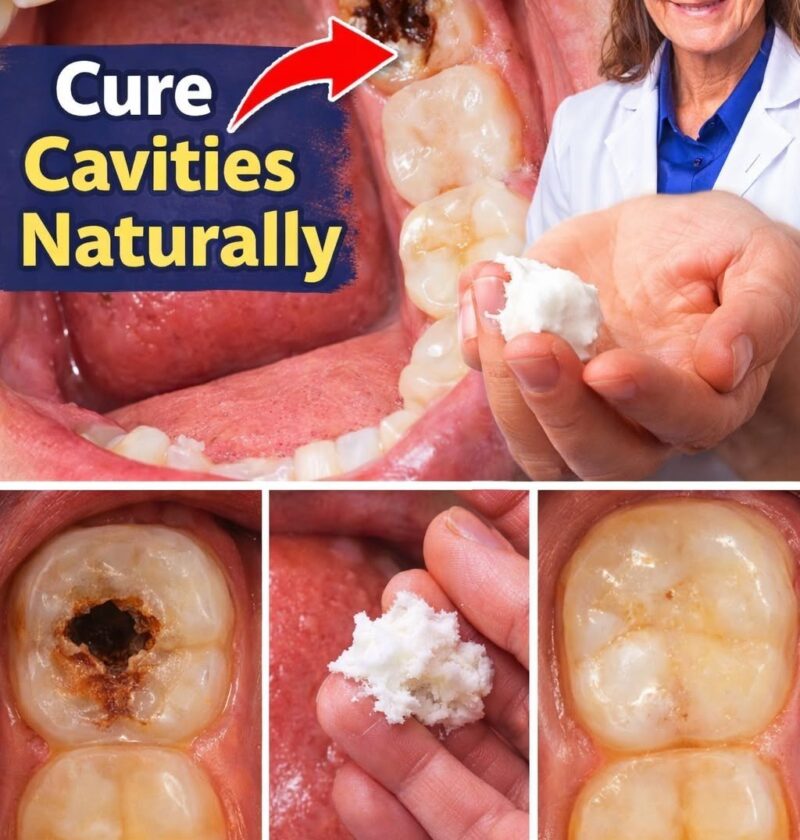
Many online remedies claim to heal cavities using oils, herbs, or household ingredients. While some may support general oral hygiene, there is no reliable evidence that they can regrow damaged tooth structure.
Avoid applying harsh substances to teeth, as some methods may irritate gums or damage enamel.
Signs You May Need Dental Care
Even with excellent home care, some cavities require professional treatment.
See a dentist if you experience:
- Tooth pain
- Sensitivity to hot, cold, or sweets
- Visible holes or dark spots
- Swelling around a tooth
- Pain when biting
- Persistent bad breath
Early treatment is usually simpler and can prevent more serious problems.
Can a Cavity Heal Completely on Its Own?
- Early enamel weakening: May improve with proper care and remineralization.
- A formed cavity: Usually requires dental treatment such as a filling.
- Deep decay or infection: May require more advanced procedures.
The goal of natural care is to protect and strengthen healthy teeth—not replace necessary dental treatment.