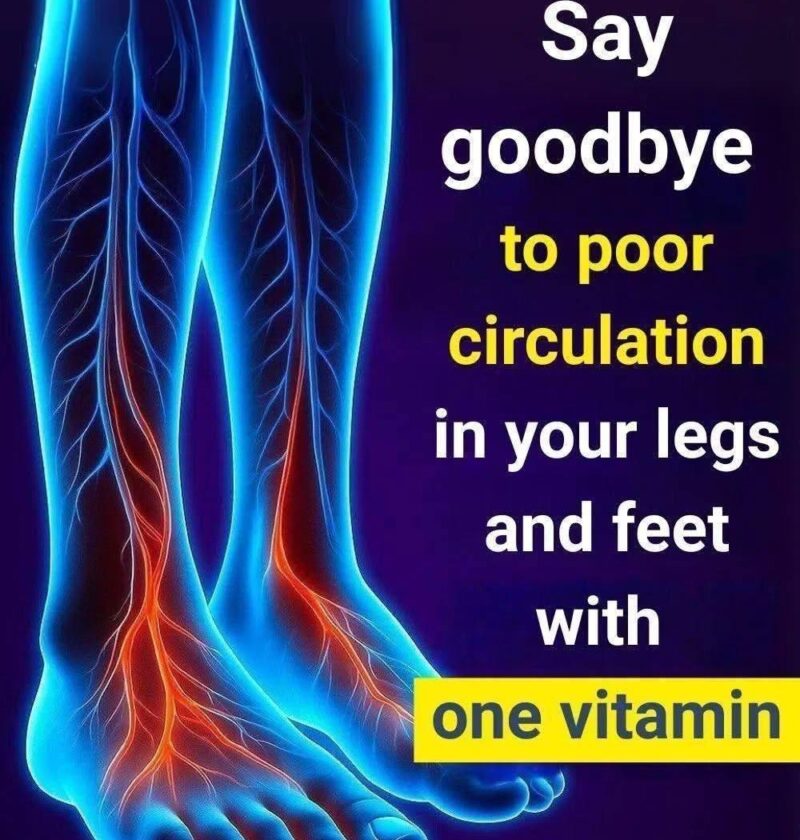
Say Goodbye to Poor Circulation in Your Legs and Feet With These Simple Lifestyle Changes
Poor circulation in the legs and feet can cause discomfort, heaviness, swelling, cold sensations, numbness, and tingling. For many people, these symptoms are linked to lifestyle factors, prolonged sitting, dehydration, or underlying health conditions. Improving circulation starts with supporting healthy blood vessels, encouraging movement, and addressing the factors that may be slowing blood flow.
While home habits can support circulation, persistent symptoms should be evaluated by a healthcare professional to rule out conditions such as peripheral artery disease, diabetes-related nerve problems, or vein disorders.
Move More to Encourage Blood Flow
One of the most effective ways to support circulation is regular movement. The muscles in your legs help push blood back toward your heart, especially when you walk or exercise.
Try:
- Walking for 20–30 minutes most days
- Gentle stretching
- Cycling or swimming
- Simple ankle movements while sitting
- Standing and moving around every hour if you have a desk job
Even small amounts of activity throughout the day can make a difference.
Elevate Your Legs
If you experience swelling or tired legs, elevating your feet can help improve the return of blood through the veins.
Try:
- Resting with your legs raised above heart level for 15–20 minutes
- Using a pillow to support your legs while resting
This may be especially helpful after long periods of standing or sitting.
Stay Hydrated
Your blood is largely made of water, and dehydration can affect circulation and overall body function.
Helpful habits:
- Drink enough water throughout the day.
- Increase fluids during hot weather or exercise.
- Limit excessive alcohol, which can contribute to dehydration.
Eat Foods That Support Healthy Blood Vessels
A balanced diet can support cardiovascular health and circulation.
Include:
Leafy Greens
Spinach, kale, and other greens contain nutrients that support blood vessel function.
Berries
Rich in plant compounds that support heart and vascular health.
Fatty Fish
Salmon, sardines, and other omega-3-rich fish support healthy inflammation levels.
Nuts and Seeds
Provide healthy fats and minerals.
Garlic and Ginger
Commonly used in cooking and traditionally valued for supporting overall wellness.
Maintain a Healthy Weight
Extra weight can place additional pressure on the circulatory system and make movement more difficult. Maintaining a healthy weight through balanced eating and regular activity can support better blood flow throughout the body.
Avoid Smoking
Smoking is one of the biggest threats to blood vessel health. It can damage arteries, reduce oxygen delivery, and increase the risk of circulation problems.
Quitting smoking is one of the most beneficial steps for long-term vascular health.
Consider Compression Socks
Compression socks apply gentle pressure to the legs, helping support normal blood movement through the veins. They are often used by people who experience leg swelling or spend long periods standing.
If you have circulation problems related to arteries, diabetes, or other medical conditions, ask a healthcare professional before using compression garments.
Massage and Gentle Leg Exercises
Gentle massage may help relax muscles and provide temporary comfort. Simple exercises can also activate the leg muscles that support circulation.
Examples:
- Ankle circles
- Heel raises
- Toe lifts
- Calf stretches
- Leg extensions while seated
Avoid Sitting or Standing for Too Long
Remaining in one position for extended periods can contribute to sluggish circulation.
Try:
- Taking short walking breaks
- Stretching your legs regularly
- Changing positions throughout the day
Keep Your Feet Warm and Protected
Cold temperatures can cause blood vessels to narrow.
Helpful tips:
- Wear comfortable socks in cold weather.
- Choose shoes that fit properly.
- Check your feet regularly if you have diabetes or reduced sensation.
When to Seek Medical Advice
Contact a healthcare professional if you notice:
- Sudden swelling in one leg
- Severe leg pain
- Skin color changes
- Open sores that do not heal
- Persistent numbness or weakness
- Cold, pale, or blue feet
- Pain while walking that improves with rest