Leg Cramps at Night: Causes, Prevention & Treatment
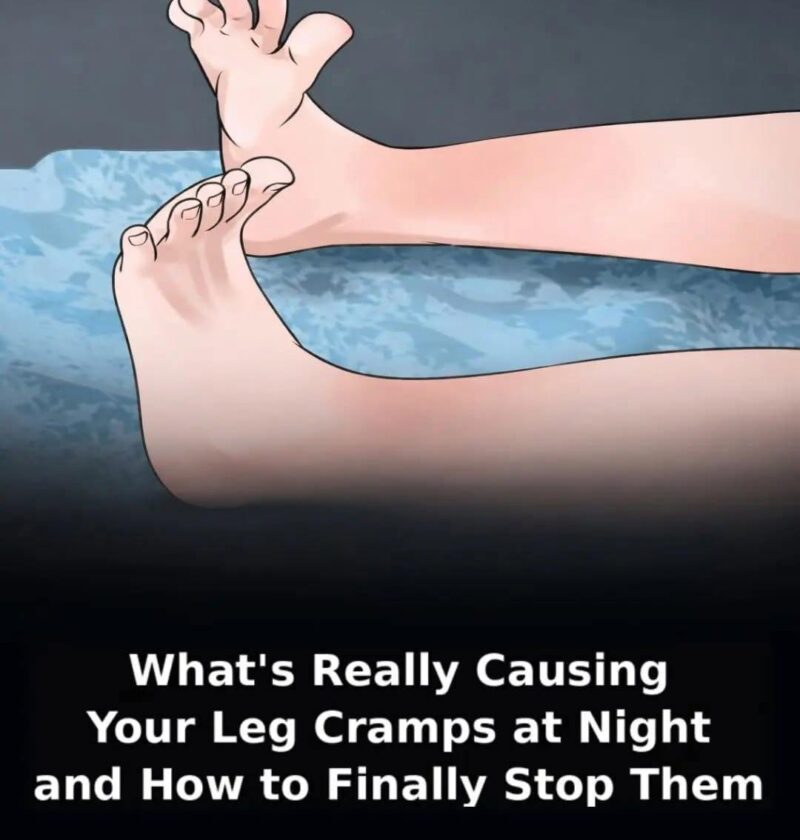
Nighttime leg cramps are sudden, painful muscle contractions that usually occur in the calves, feet, or thighs while resting or sleeping. They can last from a few seconds to several minutes and may leave the muscle feeling sore afterward.
Common Causes of Night Leg Cramps
1. Muscle fatigue or overuse
- Long periods of standing, walking, or exercise can strain muscles.
- Sudden increases in activity may trigger cramps.
2. Dehydration
- Not drinking enough fluids, especially after sweating, may contribute to muscle spasms.
3. Mineral imbalances
- Low levels of nutrients involved in muscle function, such as magnesium, potassium, or calcium, may play a role in some people.
4. Aging
- Night cramps become more common with age, possibly due to changes in muscles, nerves, and circulation.
5. Certain medications or health conditions
Some medicines and conditions may increase the likelihood of cramps, including:
- Some diuretics (“water pills”)
- Nerve problems (neuropathy)
- Kidney disease
- Thyroid disorders
- Circulation problems
What to Do During a Cramp
- Stretch the affected muscle: For a calf cramp, straighten your leg and gently pull your toes toward you.
- Massage the muscle gently until it relaxes.
- Apply heat (such as a warm towel or heating pad) to help loosen tight muscles.
- Walk around briefly if you are able.
How to Help Prevent Night Cramps
✅ Stretch before bed
- Gentle calf and leg stretches may reduce episodes for some people.
✅ Stay hydrated
- Drink enough fluids throughout the day, especially in hot weather or after exercise.
✅ Keep muscles active
- Regular walking and strength exercises can help maintain muscle function.
✅ Wear supportive footwear
- Poor foot support can contribute to muscle strain.
✅ Review medications
- If cramps started after beginning a new medicine, discuss it with a healthcare professional before making changes