Lou Gehrig’s Disease (ALS): Early Symptoms to Know
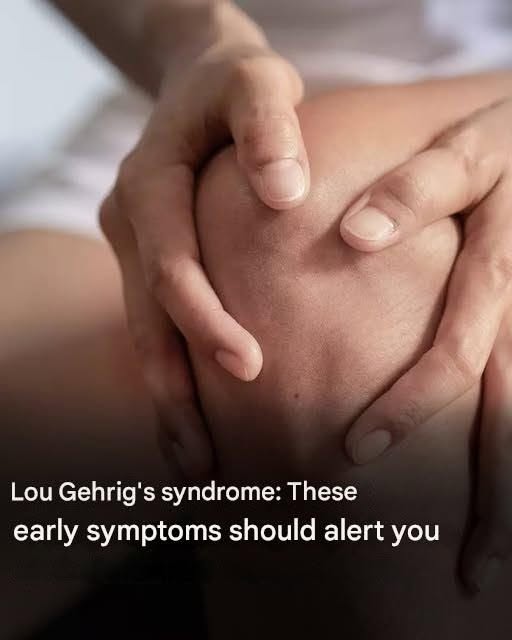
Lou Gehrig’s disease is the common name for amyotrophic lateral sclerosis (ALS), a progressive neurological condition that affects nerve cells responsible for controlling voluntary muscles. Early symptoms can vary widely from person to person.
Possible Early Signs of ALS
- Muscle weakness
- Weakness in a hand, arm, leg, or one side of the body may be an early sign.
- People may notice difficulty with tasks like buttoning clothes, gripping objects, or walking.
- Muscle twitching (fasciculations)
- Small, involuntary muscle movements may appear under the skin, often in the arms, legs, shoulders, or tongue.
- Muscle cramps and stiffness
- Frequent cramps, tight muscles, or stiffness can occur.
- Clumsiness or loss of coordination
- Trouble with balance, tripping more often, or dropping items may develop.
- Changes in speech
- Slurred speech, a quieter voice, or difficulty pronouncing words can occur in some people.
- Difficulty swallowing
- Trouble swallowing food or liquids may appear, especially in some forms of ALS.
- Fatigue and reduced endurance
- Some people notice unusual tiredness related to muscle weakness.
Important Notes
- Many of these symptoms can also be caused by other, more common and treatable conditions.
- ALS is usually diagnosed through a neurological evaluation and tests such as nerve conduction studies, electromyography (EMG), imaging, and blood tests to rule out other causes.
If someone has progressive muscle weakness, persistent twitching with weakness, speech changes, or swallowing difficulties, they should seek evaluation from a healthcare professional, ideally a neurologist.