🧠 Lou Gehrig’s Disease: Early Symptoms of ALS
Lou Gehrig’s disease, medically known as amyotrophic lateral sclerosis (ALS), is a progressive neurological disease that damages motor neurons—the nerve cells responsible for controlling voluntary muscles. (NINDS)
Early symptoms can be subtle and vary considerably from person to person.
1. 💪 Gradual muscle weakness
Weakness may begin in one hand, arm, leg, foot or shoulder and gradually worsen.
2. ✍️ Dropping things or hand clumsiness
Difficulty gripping objects, buttoning clothes, writing or performing other previously easy tasks can be an early sign. (The ALS Association)
3. 🚶 Tripping or difficulty walking
A person may repeatedly trip, stumble, or notice that a foot or ankle isn’t working normally.
4. ⚡ Muscle twitching
Small involuntary muscle twitches (fasciculations) can occur, sometimes in the arms, legs, shoulders or tongue.
5. 🦵 Muscle cramps and stiffness
Persistent cramps or unusually tight, stiff muscles can occur alongside weakness.
6. 🗣️ Slurred or slowed speech
In some people, ALS initially affects the muscles involved in speaking, causing speech to become slurred, nasal or slower.
7. 🍽️ Difficulty swallowing
Trouble chewing or swallowing can occur, particularly in bulbar-onset ALS. (NINDS)
8. 😮 Difficulty controlling laughing or crying
Some people develop episodes of laughing or crying that seem inappropriate or disproportionate to the situation.
9. 🧍 Increasing difficulty with everyday activities
Tasks such as climbing stairs, lifting objects, walking or using the hands may progressively become harder.
10. 🧠 Changes in thinking or behavior
Although ALS primarily affects movement, some people can develop changes involving thinking, language or behavior. (Mayo Clinic)
⚠️ These symptoms don’t automatically mean ALS
Muscle twitching, cramps, weakness, balance problems and speech difficulties can have many other causes, some of which are treatable. ALS is difficult to diagnose and requires a medical evaluation rather than a symptom checklist.
A particularly concerning pattern is progressive, usually painless muscle weakness that continues to worsen, especially when accompanied by muscle wasting, twitching or speech/swallowing difficulties. (The ALS Association)
If you or someone you know is experiencing new or progressively worsening weakness, arrange an evaluation with a doctor, ideally a neurologist.
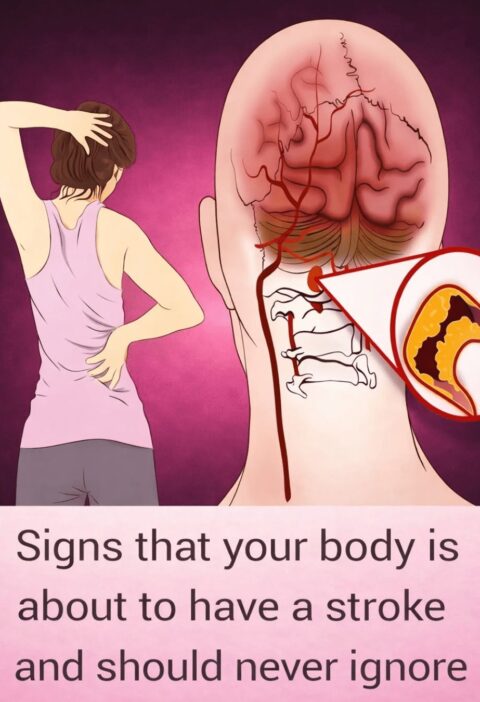
Important: Sudden weakness, facial drooping or speech difficulty is not typical of slowly progressive ALS and can indicate a stroke. If those symptoms appear suddenly, seek emergency medical care immediately.