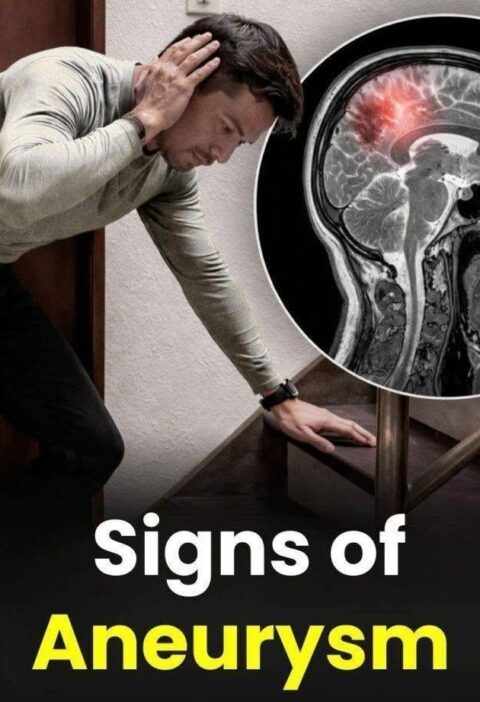
Recognizing the first signs is important because early medical evaluation can help with diagnosis, management, and support planning.
1. Muscle Weakness
One of the earliest signs of ALS is mild but progressive weakness, often in the hands, legs, or feet. People may notice difficulty gripping objects or lifting items.
2. Muscle Twitching (Fasciculations)
Small, involuntary muscle twitches—especially in the arms, shoulders, or tongue—can occur early in the disease.
3. Clumsiness and Difficulty with Fine Motor Skills
Simple tasks like buttoning a shirt, writing, or holding small objects may become harder due to reduced muscle control.
4. Slurred Speech
Changes in speech, such as slurring or a nasal tone, may appear early in some cases when the muscles controlling speech are affected.
5. Trouble Swallowing
Some people experience mild difficulty swallowing food or liquids, or a feeling that food “sticks” in the throat.
6. Muscle Cramps and Stiffness
Frequent cramps, stiffness, or tightness in muscles—especially after activity—can be an early warning sign.
7. Weak Grip or Dropping Objects
A noticeable decrease in hand strength may cause frequent dropping of everyday items.
8. Fatigue and Reduced Endurance
Muscles may tire more easily than usual, even after light physical activity.
9. Tripping or Foot Drop
Weakness in the leg or ankle can cause difficulty lifting the front of the foot, leading to tripping while walking.
10. Subtle Emotional or Cognitive Changes (Less Common Early)
In some cases, mild changes in mood, behavior, or thinking may occur, though this is not present in all patients.
Important Note
ALS is a progressive condition, meaning symptoms gradually worsen over time. However, early symptoms can vary widely between individuals, and many other conditions can cause similar signs. A proper medical evaluation is essential for accurate diagnosis.
If someone experiences persistent muscle weakness, speech changes, or coordination problems, they should consult a healthcare professional—preferably a neurologist—for assessment.