Never Uproot This Plant If It Appears in Your Garden — Here’s Why
A headline like “Never uproot this plant if it appears in your garden” is often used online for surprising gardening facts. The truth is that the right choice depends on which plant it is—some “wild” plants are valuable, while others are invasive or harmful.
Here are some common plants people are often told not to remove:
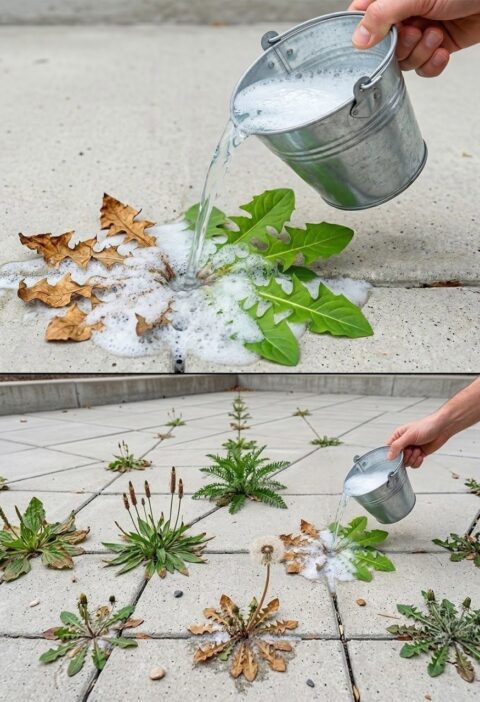
1. Dandelion (Taraxacum officinale)
Many people consider dandelions weeds, but they can have benefits:
- Their flowers provide food for some pollinators
- Their roots can help loosen soil
- They are edible when properly identified and grown in clean areas
However, they can spread quickly and may not suit every lawn.
2. Clover (Trifolium species)
Clover can be useful because:
- It helps add nitrogen to soil
- It supports bees and other pollinators
- It can stay green with less water than some grasses
Some gardeners intentionally include clover in lawns.
3. Plantain weed (Plantago species)
Despite its name, this is not the banana-like fruit.
It can:
- Grow in compacted soil
- Provide habitat for small insects
- Have a history of traditional uses
4. Milkweed (Asclepias species)
Milkweed is important because:
- It provides food for monarch butterfly caterpillars
- It supports pollinator ecosystems
In areas where native milkweed is encouraged, removing it may reduce wildlife habitat.
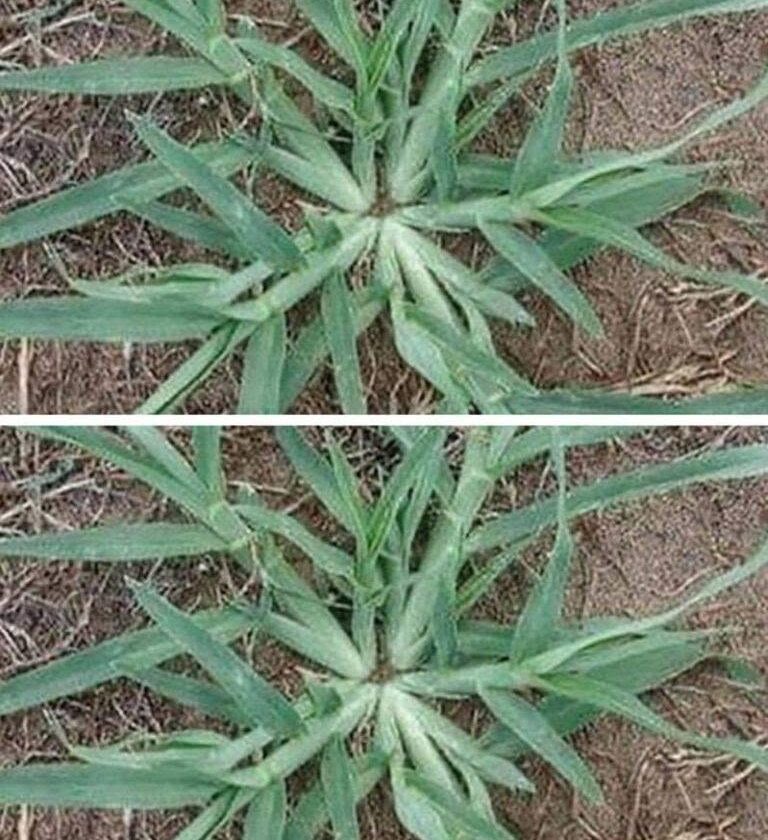
Before removing any “mystery plant”
Ask:
- Is it native or invasive in my area?
- Is it helping pollinators?
- Is it poisonous to pets or children?
- Is it spreading aggressively?
- Is it damaging other plants?
A plant that is beneficial in one region may be problematic in another