New Methods May Make Colonoscopy More Comfortable: What’s Changing in Colon Cancer Screening
Colonoscopy has long been considered one of the most effective ways to examine the colon and detect problems such as polyps (growths that can sometimes become cancerous) and colorectal cancer. However, because it involves inserting a flexible camera into the colon, many people consider it uncomfortable or invasive.
Researchers have been exploring newer approaches that may reduce the need for traditional colonoscopy in some situations.
Newer, Less Invasive Screening Options
1. Stool-Based Tests
Some screening methods analyze stool samples for signs of colorectal cancer or abnormal DNA changes. These tests are:
- Done at home
- Non-invasive
- Useful for people at average risk
However, if a stool test shows an abnormal result, a follow-up colonoscopy is usually still needed.
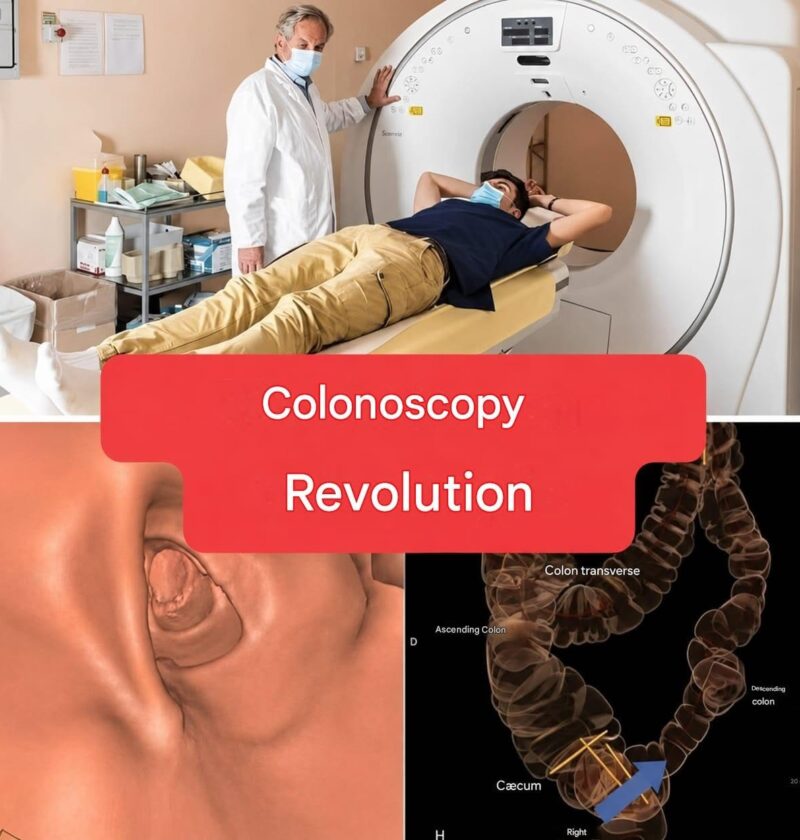
2. CT Colonography (Virtual Colonoscopy)
This imaging test uses a CT scan to create detailed images of the colon without inserting a camera through the entire colon.
Advantages:
- Less invasive
- No sedation is usually required
- Can detect some polyps and abnormalities
Limitations:
- It still requires bowel preparation.
- If suspicious findings are detected, a traditional colonoscopy may be needed for removal or biopsy.
3. Future Technologies Under Study
Researchers are investigating tools such as advanced imaging systems, artificial intelligence-assisted detection, and improved capsule-based technologies. These may eventually make colon evaluation easier and more comfortable, but they are not replacements for standard colonoscopy in all cases today.
Why Colonoscopy Is Still Important
Traditional colonoscopy remains a valuable tool because it can:
- Detect cancer early
- Find and remove precancerous polyps during the same procedure
- Allow doctors to take tissue samples for testing