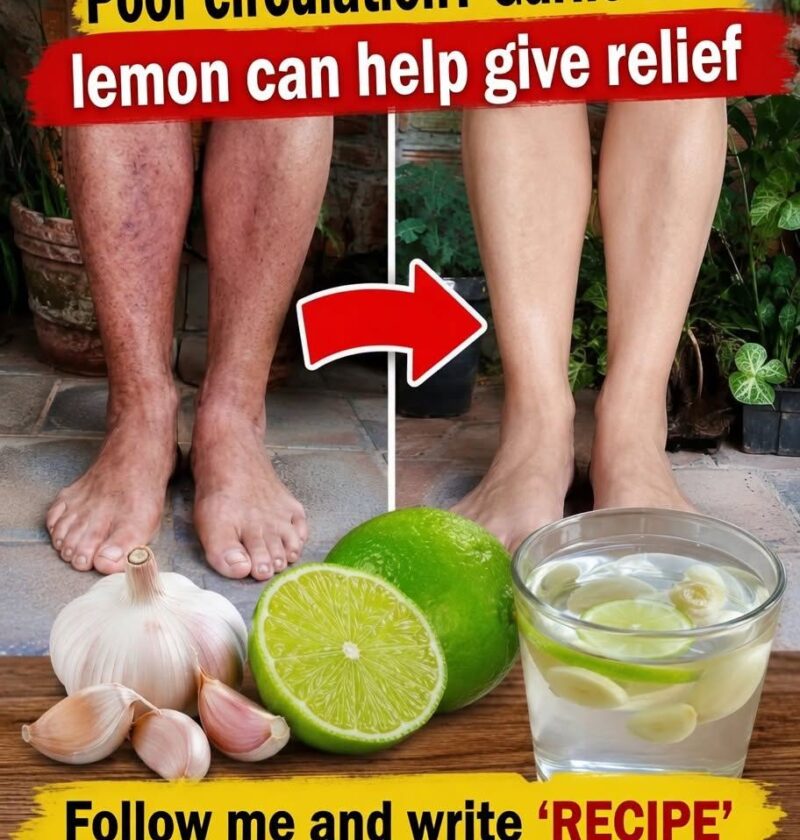
Poor Circulation and Heavy Legs? Can Garlic, Lemon, and Water Help?
The claim that garlic, lemon, and water can quickly improve circulation and relieve heavy legs is not supported by strong scientific evidence.
While garlic and lemon can be part of a healthy diet, there is no evidence that drinking this mixture provides rapid improvements in circulation or treats the underlying causes of heavy legs.
What Can Cause Heavy Legs?
A feeling of heaviness in the legs can have many causes, including:
- Standing or sitting for long periods
- Hot weather
- Varicose veins
- Chronic venous insufficiency (when leg veins don’t return blood efficiently)
- Being overweight
- Pregnancy
- Certain medications
- Less commonly, heart, kidney, or liver disease
The appropriate treatment depends on the cause.
What About Garlic?
Garlic contains compounds that may have small effects on blood pressure and cholesterol as part of an overall healthy diet.
However, garlic:
- Does not unclog arteries.
- Does not rapidly improve circulation.
- Should not replace prescribed medications for heart or blood vessel conditions.
Garlic supplements can also increase the risk of bleeding and may interact with blood-thinning medications.
What About Lemon Water?
Lemon water is a refreshing way to stay hydrated, and hydration is important for overall health.
However, lemon water has not been shown to:
- Improve circulation.
- Treat swollen or heavy legs.
- Dissolve plaque in blood vessels.
What Actually Helps Heavy Legs?
Depending on the cause, these measures may help:
- Walking regularly to activate the calf muscles.
- Avoiding long periods of sitting or standing.
- Elevating your legs above heart level when resting.
- Maintaining a healthy weight.
- Wearing compression stockings if recommended by a healthcare professional.
- Staying hydrated.
If varicose veins or chronic venous insufficiency are the cause, a healthcare professional can advise on the most appropriate treatment.
When to Seek Medical Attention
Seek urgent medical care if you develop:
- Sudden swelling in one leg.
- Severe pain, redness, or warmth in the leg.
- Chest pain or shortness of breath along with leg swelling.
These symptoms could indicate a serious condition such as a blood clot.
Arrange a medical review if you have:
- Persistent leg swelling.
- New varicose veins with pain.
- Skin changes around the ankles.
- Sores that don’t heal.
- Heavy legs that continue despite self-care.