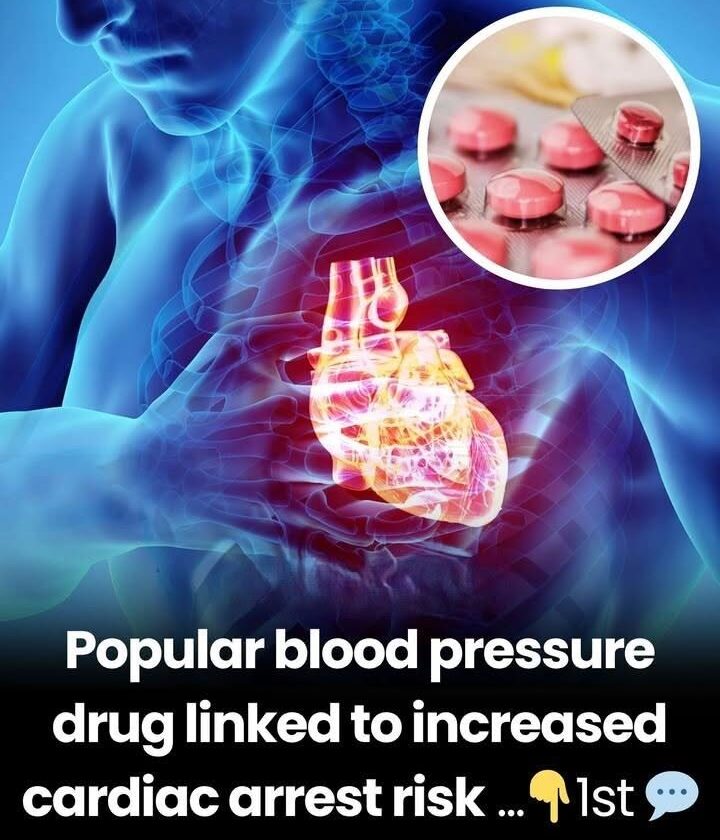
Popular Blood Pressure Drug Linked to Increased Cardiac Arrest Risk — What You Should Know
Headlines about blood pressure medicines being linked to cardiac arrest risk can be alarming, but the details matter. Blood pressure medications are widely used because controlling high blood pressure greatly reduces the risk of heart attack, stroke, and other cardiovascular problems.
Some studies have found that certain medications or combinations of medicines may be associated with increased risks in specific groups of patients, but this does not mean people should stop taking their medication without medical advice.
Types of Blood Pressure Medicines Commonly Studied
1. Calcium channel blockers
These medicines (such as some drugs ending in “-dipine”) relax blood vessels and lower blood pressure. Research has examined whether certain calcium channel blockers may affect heart rhythm or cardiac outcomes in particular situations.
2. Diuretics (“water pills”)
These help the body remove excess salt and fluid. They can sometimes affect:
- Potassium levels
- Sodium levels
- Heart rhythm if electrolyte changes become significant
3. Beta blockers
These slow the heart rate and reduce strain on the heart. They can be very beneficial for many people, especially those with certain heart conditions, but require proper dosing.
Why a Medication Might Appear Linked to Risk
A study finding an association does not always mean the medication caused the problem. Factors that can influence results include:
- Age and overall health
- Existing heart disease
- Kidney function
- Other medications
- The severity of high blood pressure being treated
People who take these medicines may already have a higher risk of heart problems because of their underlying condition.
Do Not Stop Blood Pressure Medication Suddenly
Stopping blood pressure medicine without guidance can cause dangerous spikes in blood pressure or other complications.