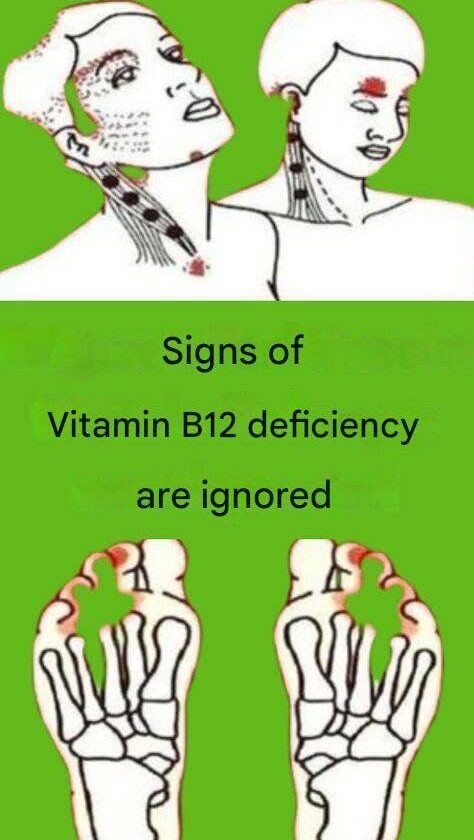
Common signs that may be overlooked
1. Unusual tiredness and weakness
- Feeling exhausted even after enough sleep
- Reduced energy for daily activities
- General weakness or fatigue
2. Tingling, numbness, or “pins and needles”
- Tingling in the hands, feet, or legs
- Burning sensations
- Reduced sensitivity or a feeling of “walking on cotton”
These symptoms can occur because B12 is needed for healthy nerve function.
3. Memory and concentration problems
- Difficulty focusing
- Forgetfulness
- Feeling mentally “foggy”
- Mood changes
4. Pale or yellowish skin
A lack of B12 can contribute to a type of anemia, which may cause:
- Pale skin
- Weakness
- Shortness of breath
- Dizziness
5. Balance problems
- Feeling unsteady while walking
- Coordination difficulties
- Increased risk of falls, especially in older adults
6. Changes in the tongue and mouth
- A sore, red, or swollen tongue
- Mouth ulcers
- Burning sensations in the mouth
7. Mood changes
Some people may experience:
- Irritability
- Low mood
- Anxiety-like symptoms
Who is more likely to have low B12?
Risk can be higher in people who:
- Eat little or no animal products (unless they use fortified foods or supplements)
- Are older adults
- Have conditions affecting absorption (such as certain stomach or intestinal disorders)
- Have had some types of stomach or intestinal surgery
- Take certain medications that affect B12 absorption, such as long-term acid-reducing medicines or metformin (a diabetes medication)
How is B12 deficiency checked?
A healthcare professional can evaluate symptoms and may order blood tests, such as:
- Serum vitamin B12 level
- Complete blood count (CBC)
- Additional tests (such as methylmalonic acid) when needed
Foods that contain vitamin B12
Good sources include:
- Fish and seafood
- Meat and poultry
- Eggs
- Milk and dairy products
- Fortified cereals or plant-based foods
When to seek medical advice
Seek medical evaluation if you have persistent numbness, balance problems, severe fatigue, memory changes, or symptoms of anemia. Nerve-related effects from a prolonged deficiency can sometimes become harder to reverse if treatment is delayed.
Vitamin B12 deficiency is treatable, but the best approach is to confirm the cause rather than taking high-dose supplements without knowing whether a deficiency is present.