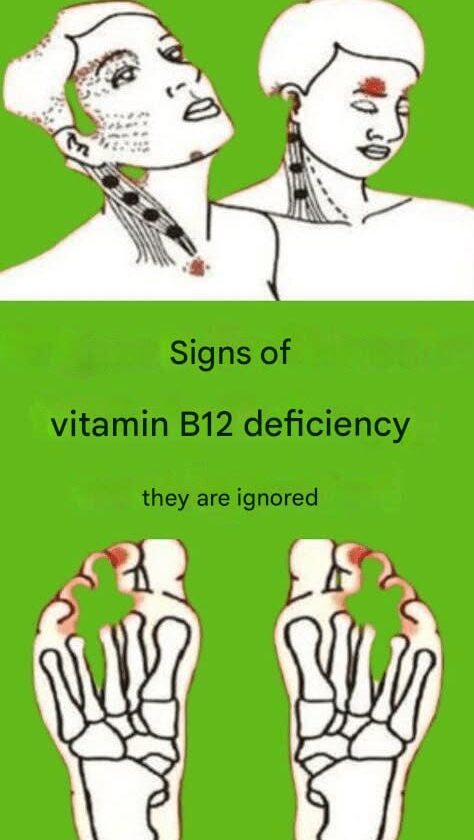
Vitamin B12 deficiency can develop slowly, and some symptoms are easy to overlook because they may resemble normal tiredness or aging. Recognizing possible signs early is important because long-term deficiency can affect the nervous system.
Common signs that may be missed
- Persistent tiredness or weakness
B12 is needed for healthy red blood cell production, and deficiency can contribute to anemia. - Tingling, numbness, or “pins and needles”
Nerve-related symptoms often affect the hands and feet. - Balance problems or trouble walking
Nerve damage can affect coordination in some people. - Memory or concentration difficulties
Some people notice brain fog, confusion, or mood changes. - Sore, red, or swollen tongue
Mouth changes can occur with B12 deficiency. - Pale or yellowish skin
This can be related to anemia or changes in red blood cells. - Mood changes
Low B12 levels have been associated with symptoms such as irritability or low mood.
Who may be at higher risk?
- Older adults
- People with low intake of animal products
- People with absorption problems (such as certain stomach or intestinal conditions)
- Those taking some medications, including long-term metformin or acid-reducing medicines (in some cases)
How it’s checked and treated
A healthcare professional can confirm deficiency with blood tests. Treatment may involve dietary changes, oral supplements, or injections depending on the cause and severity.
If you have new numbness, weakness, trouble walking, or significant memory changes, it’s worth seeking medical advice rather than assuming it is just a vitamin issue.