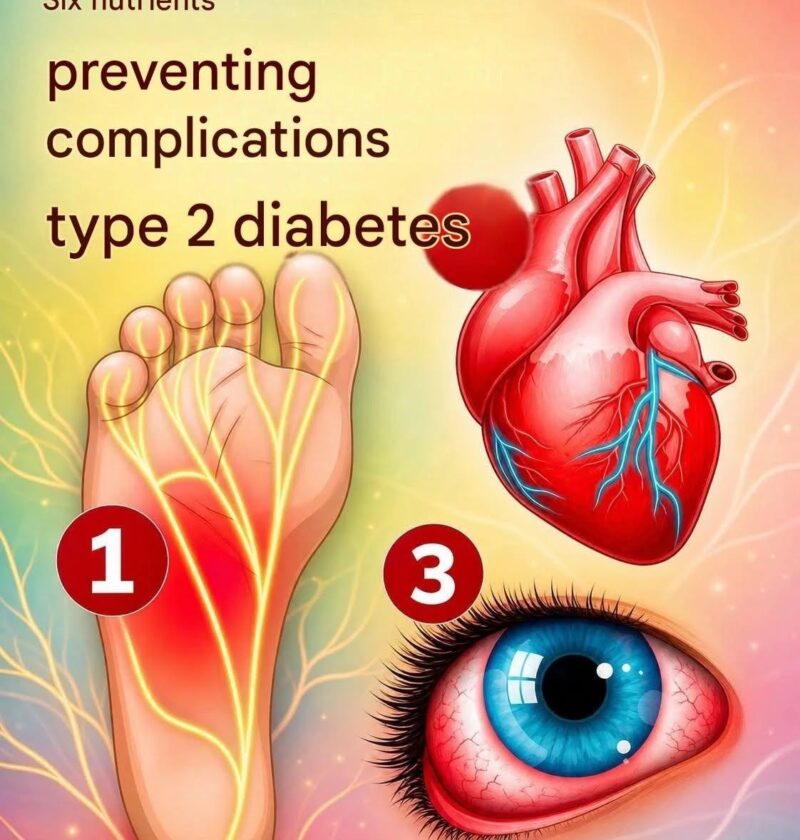
The claim “Six nutrients that prevent diabetes complications” is a simplified headline. No nutrient can guarantee that diabetes complications will be prevented, but certain nutrients are important for blood sugar management, heart health, nerve function, and overall wellbeing—especially when combined with appropriate medical care and lifestyle habits.
Six nutrients often discussed in diabetes care include:
1. Fibre
- Helps slow the absorption of carbohydrates and may improve blood sugar control.
- Found in vegetables, beans, lentils, oats, whole grains, nuts, and seeds.
2. Magnesium
- Plays a role in insulin function and glucose metabolism.
- Low magnesium levels are more common in some people with diabetes.
- Sources include nuts, seeds, leafy greens, beans, and whole grains.
3. Omega-3 fatty acids
- Support heart health, which is especially important because diabetes increases cardiovascular risk.
- Found in oily fish (such as salmon and sardines), flaxseed, chia seeds, and walnuts.
4. Vitamin D
- Important for bone health and normal immune function.
- Some studies have found associations between low vitamin D levels and diabetes risk, but supplements do not reliably prevent diabetes in everyone.
5. Vitamin B12
- Important for nerve health and blood cell production.
- People taking metformin long term may have a higher risk of B12 deficiency and may need monitoring.
6. Antioxidant-rich nutrients
- Vitamins such as vitamin C and plant compounds from colourful fruits and vegetables help protect cells from oxidative stress.
- Whole foods are generally preferred over high-dose supplements.
The biggest factors that reduce diabetes complications are:
- Keeping blood glucose in the target range recommended by your healthcare team.
- Managing blood pressure and cholesterol.
- Regular physical activity, including resistance exercise.
- Taking prescribed medications as directed.
- Regular eye, kidney, and foot checks.
Before taking supplements, it’s best to check whether you actually have a deficiency—high doses of some nutrients can cause harm or interact with medicines.