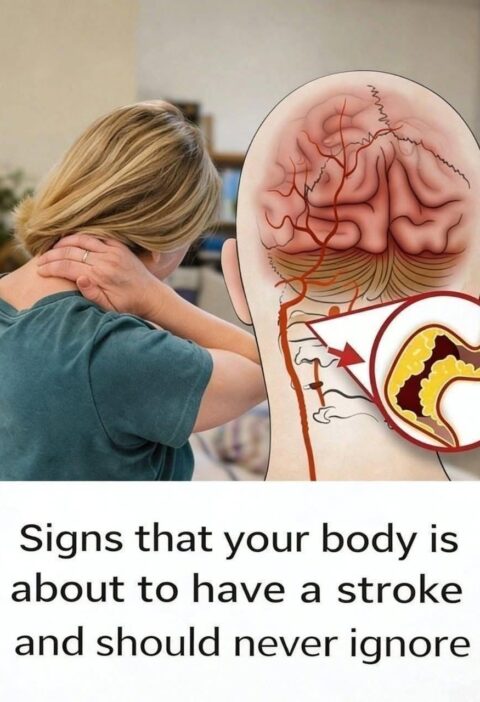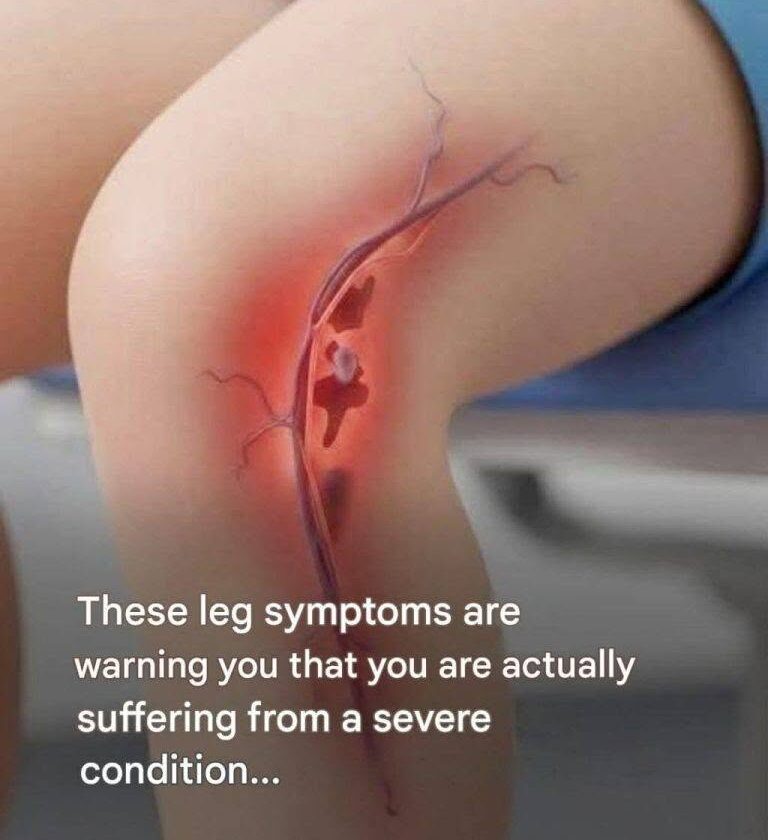
The headline “Symptoms that warn you of a severe thrombosis” refers to signs of a blood clot (thrombosis). A clot can occur in a vein or an artery, and some types require immediate medical attention.
Possible symptoms of deep vein thrombosis (DVT)
A DVT usually occurs in one leg and may cause:
- Swelling in one leg (or one arm)
- Pain or tenderness, often in the calf
- Warmth over the affected area
- Red or discolored skin
- A feeling of tightness or heaviness
Symptoms that may mean the clot has traveled to the lungs (pulmonary embolism)
This is a medical emergency. Symptoms can include:
- Sudden shortness of breath
- Sharp chest pain, especially when breathing in
- Cough, sometimes with blood
- Rapid heartbeat
- Lightheadedness or fainting
Risk factors
The chance of developing a clot is higher if you have:
- Recent surgery or a major injury
- Long periods of immobility (such as long flights or bed rest)
- Pregnancy or the weeks after childbirth
- Cancer
- Certain inherited clotting disorders
- Smoking
- Use of estrogen-containing medications (such as some birth control pills or hormone therapy)
What to do
If you think you may have symptoms of a DVT, seek medical evaluation the same day, because treatment can reduce the risk of complications.
If you develop sudden shortness of breath, chest pain, coughing up blood, or fainting, call your local emergency services immediately, as these can be signs of a pulmonary embolism.
Many other conditions—such as muscle strains, varicose veins, or skin infections—can also cause leg pain or swelling, so symptoms alone cannot confirm a blood clot. A healthcare professional may need imaging, such as an ultrasound, to make the diagnosis.