The 10 Metoprolol Side Effects Your Doctor Is “PRAYING You Don’t Piece Together”
That headline is sensationalized. Metoprolol is a widely used beta-blocker, and official guidance says it is generally safe for long-term use. Many people have no side effects or only mild ones. (nhs.uk)
Here are 10 effects worth knowing about:
- Tiredness or weakness — particularly when starting treatment.
- Dizziness or light-headedness — because metoprolol lowers heart rate and blood pressure.
- Headaches — a recognized common side effect.
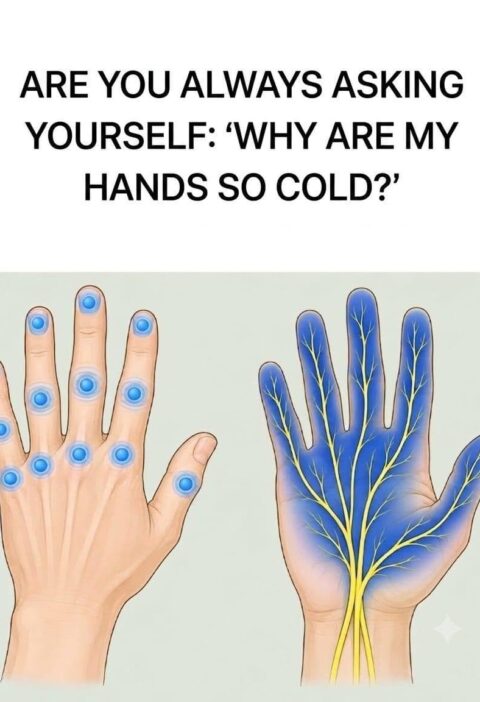
- Cold hands and feet — reduced peripheral blood flow can make the extremities feel cold.
- Nausea — some people experience stomach upset.
- Stomach pain — abdominal discomfort can occur.
- Vomiting or diarrhea — less common, but recognized effects.
- An unusually slow heart rate — metoprolol intentionally slows the heart, but excessive slowing can cause weakness, dizziness or fainting.
- Breathing problems/wheezing — uncommon, but particularly important in someone with asthma or other respiratory disease.
- Sexual difficulties — some people report reduced libido or erectile problems, although evidence isn’t strong enough to say metoprolol definitely causes these problems in every case. (nhs.uk)
⚠️ The connection people often miss
Several symptoms can be related to the same underlying effect of metoprolol. For example, excessive slowing of the heart or lowering of blood pressure can produce fatigue, weakness, dizziness and fainting. That doesn’t mean these symptoms are always caused by the medication, but it’s worth discussing them with your prescriber.
Metoprolol can also interact with other medicines, so a medication review is especially useful if you’re taking several prescriptions.
🚨 Get medical help for these symptoms
Seek prompt medical attention for new or worsening shortness of breath, wheezing, swollen legs, an irregular heartbeat, fainting, or significant chest pain. (nhs.uk)
❗ Never stop metoprolol suddenly
This is one of the most important points. Suddenly stopping metoprolol can make the underlying heart condition worse. Your doctor should determine whether and how the dose should be reduced. (nhs.uk)
Bottom line: Metoprolol isn’t a “secretly dangerous” medication. Its benefits can be substantial when appropriately prescribed. The useful approach is to recognize troublesome symptoms, review other medicines and doses with your clinician, and never discontinue it abruptly on your own.