⚠️ 3 Breakfast Types That Can Be Hard on the Kidneys
The headline is too dramatic: no particular breakfast automatically “damages” healthy kidneys. However, if you already have chronic kidney disease (CKD), certain breakfast patterns can make it harder to control sodium, phosphorus, potassium, or protein levels. (niddk.nih.gov)
1. 🥓 Processed-meat breakfasts
Bacon, sausage, ham, hot dogs and other processed meats can contain substantial amounts of sodium and phosphorus additives. Excess sodium can promote fluid retention and high blood pressure, both of which can put additional strain on the kidneys. (niddk.nih.gov)
Try instead: eggs, fresh poultry, or another minimally processed protein, depending on your individual kidney diet.
2. 🥣 Highly processed breakfast foods
Some instant cereals, packaged breakfast sandwiches, pastries, flavored drinks and convenience foods can contain considerable sodium and added phosphorus. Look at the ingredient list for additives containing “phos”, such as phosphoric acid or disodium phosphate. (niddk.nih.gov)
Try instead: a minimally processed breakfast prepared at home, with ingredients appropriate for your dietary needs.
3. 🧂 Very salty breakfasts
Foods such as salted meats, packaged breakfast potatoes, instant meals and heavily salted sauces can push sodium intake upward. Too much sodium can increase blood pressure and fluid retention. (kidney.org)
Try instead: herbs, garlic, lemon juice, pepper or salt-free seasonings for flavor.
🍌 What about potassium?
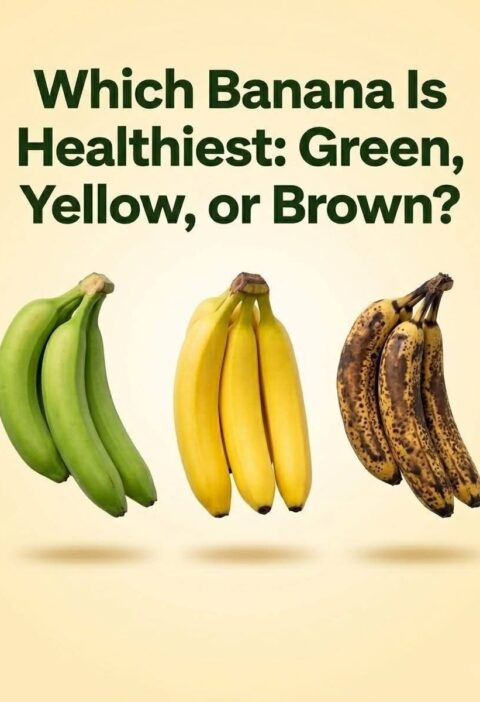
This is where viral kidney-diet advice often goes wrong. Not everyone with kidney disease needs to avoid bananas, oranges, tomatoes, potatoes or other potassium-rich foods. Potassium restrictions depend on your kidney function and blood potassium level. Some people with CKD actually need more potassium. (niddk.nih.gov)
🥑 A better breakfast
A kidney-friendly breakfast might include fresh, minimally processed foods, with the amount of protein, sodium, potassium and phosphorus adjusted to your individual needs.
Bottom line: There aren’t three breakfasts that universally “damage your kidneys.” The bigger concern—especially for people who already have CKD—is a diet consistently high in sodium and heavily processed foods. A renal dietitian can tailor your diet according to your kidney function and blood-test results. (niddk.nih.gov)