Homemade Weed Killer Without Store-Bought Herbicides: What Works and What to Know
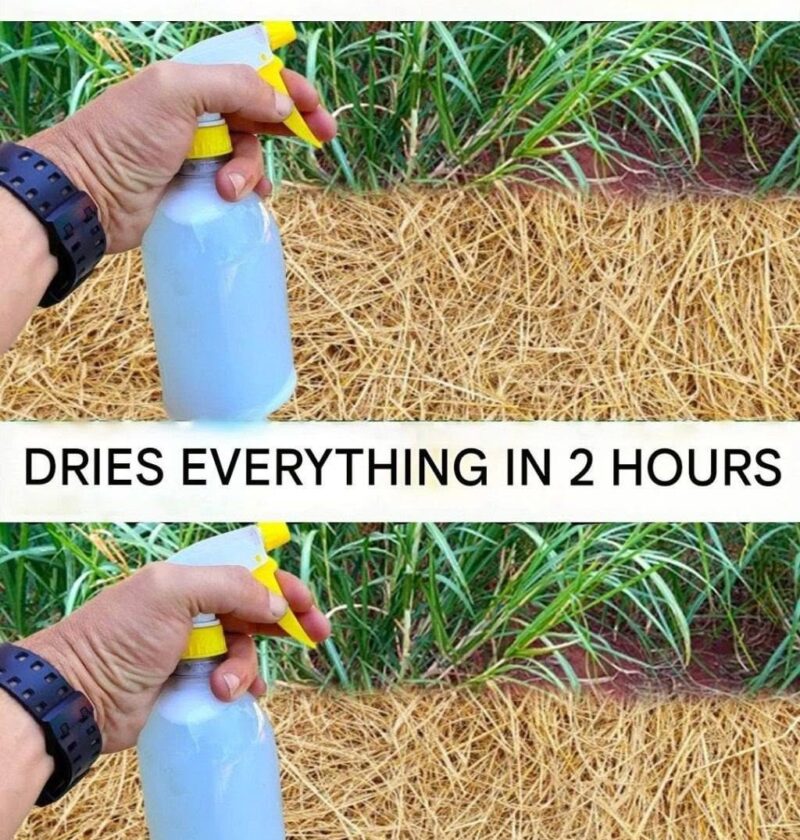
Many “natural weed killer” recipes are shared online, often using common household ingredients. Some mixtures can dry out or damage the leaves of weeds quickly, but they are not always selective and may also harm grass, flowers, soil organisms, or nearby plants.
A common homemade weed spray
Vinegar-based weed spray
Ingredients:
- 1 gallon white vinegar (household vinegar)
- 1 tablespoon dish soap (optional)
How it works:
- Vinegar’s acetic acid can remove moisture from plant leaves, causing visible wilting or browning.
- Dish soap can help the liquid spread across the leaf surface.
Important: This mainly affects the parts of the plant it touches. Many weeds can regrow from their roots, so repeated treatments may be needed.
Safer ways to control weeds
1. Pull weeds when the soil is moist
Removing the entire root system is often the most effective approach for small areas.
2. Add mulch
A layer of mulch can block sunlight and reduce new weed growth.
3. Use boiling water carefully
Pouring boiling water on weeds growing in cracks (such as driveways or sidewalks) can kill the plant tissue. Avoid using it near desirable plants.
4. Improve garden conditions
Healthy, dense lawns and well-maintained garden beds naturally leave less space for weeds.
Be careful with homemade weed killers
Even “natural” mixtures can:
- Damage wanted plants
- Harm lawn grass
- Increase soil salt levels (with some ingredients)
- Irritate skin or eyes
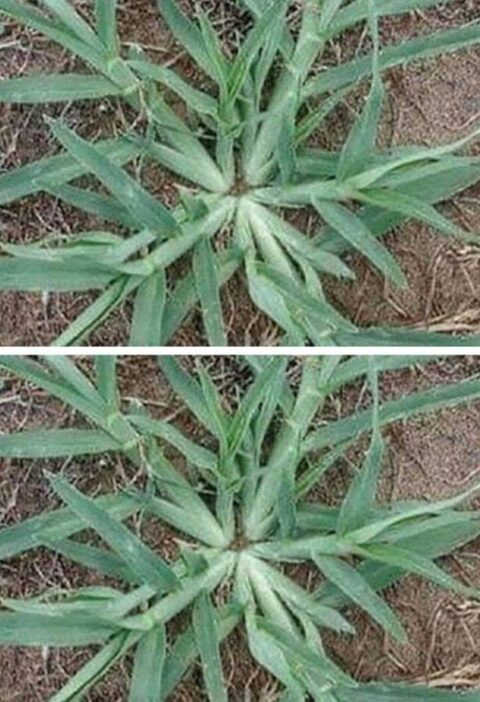
For best results, identify the weed first—different weeds respond differently to control methods.
If you tell me where the weeds are growing (lawn, driveway cracks, vegetable garden, flower beds, or gravel area), I can suggest the safest method for that spot.