“Who Is Most at Risk of Night Cramps?”
is a health headline about nighttime muscle cramps, which are sudden, painful contractions—often in the calves, feet, or thighs—that happen during rest or sleep. They are common and can affect anyone, but some groups are more likely to experience them.
People more likely to get nighttime cramps
1. Older adults
Night cramps become more common with age, possibly due to:
- Changes in muscles and nerves
- Reduced flexibility
- Changes in circulation or activity levels
2. People who are physically active
Risk may increase with:
- Intense exercise
- Overuse of muscles
- Long periods of standing or walking
- Sudden changes in activity level
3. People who are dehydrated
Not drinking enough fluids, especially with sweating from heat or exercise, may contribute to muscle irritability.
4. People with certain nutrient deficiencies
Low levels of some nutrients—such as magnesium, potassium, or calcium—can sometimes be linked with muscle cramps, though deficiencies are not the cause in every case.
5. People with certain medical conditions
Night cramps may be more common with:
- Diabetes (especially if nerves are affected)
- Kidney disease
- Nerve disorders
- Circulation problems
- Thyroid disorders
6. People taking certain medications
Some medicines can be associated with cramps, including certain:
- Diuretics (“water pills”)
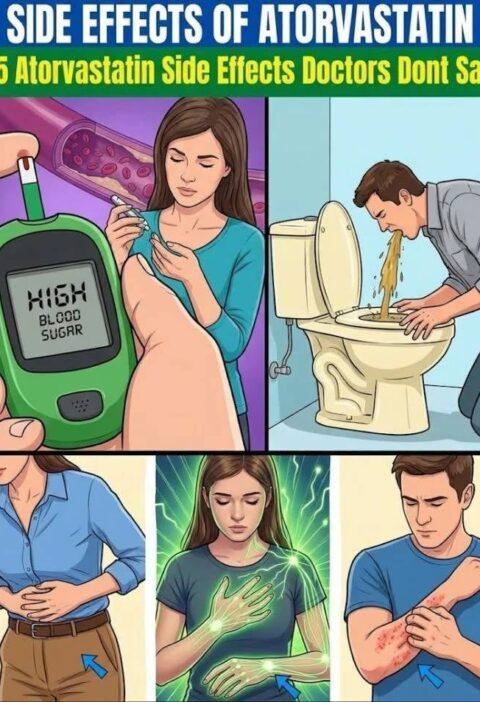
- Cholesterol-lowering medications
- Some blood pressure medications
Ways that may help reduce cramps
✅ Stretch calf and leg muscles before bed
✅ Stay physically active with regular, moderate exercise
✅ Drink enough fluids
✅ Wear supportive footwear during the day
✅ Avoid sudden increases in training intensity
When to get medical advice
Talk with a healthcare professional if cramps are:
- Frequent or severe
- New and unexplained
- Associated with swelling, weakness, numbness, or skin changes
- Affecting sleep regularly
Night cramps are often harmless, but frequent episodes can sometimes point to an underlying issue that is worth checking.