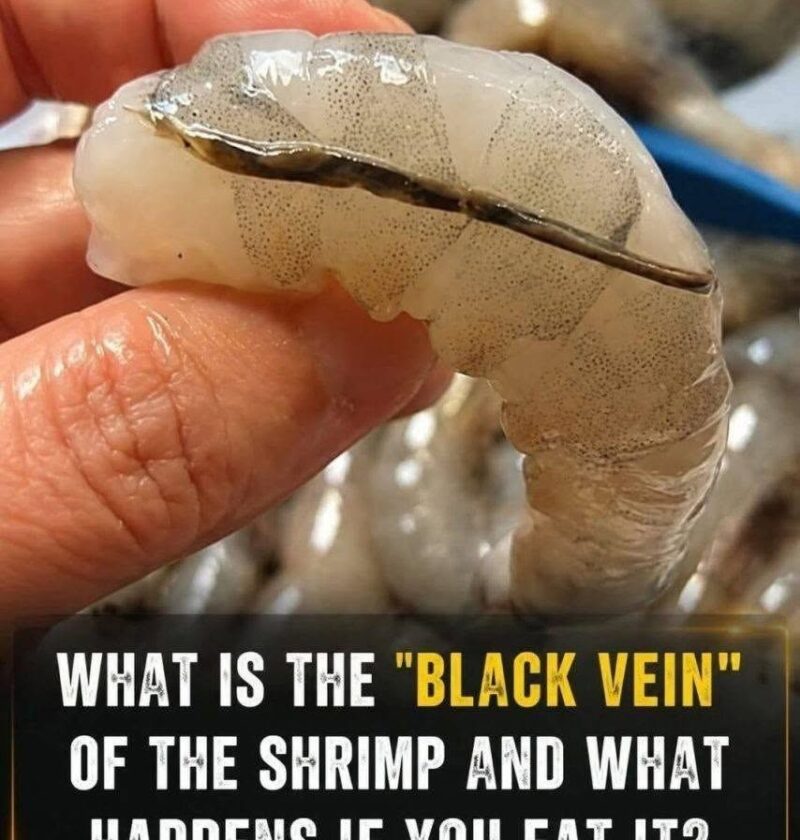
The Dark Line in Shrimp Explained: What It Really Is—and Why Cooks Argue About Removing It
That dark line running along the back of a shrimp is the digestive tract (intestine). It can contain partially digested food and waste, which is why many cooks prefer to remove it.
Is it dangerous to eat?
Usually, no. The dark vein isn’t inherently poisonous or dangerous when shrimp are properly handled and thoroughly cooked. Removing it is primarily about appearance, texture, and personal preference.
However, proper shrimp preparation matters more for safety than deveining:
Keep raw shrimp refrigerated and avoid leaving it at room temperature for long periods.
Prevent raw shrimp from contaminating other foods and surfaces.
Cook shrimp thoroughly until the flesh is firm and opaque. The FDA recommends cooking seafood to 145°F (63°C).
Why do some cooks always remove it?
The intestinal tract can sometimes contain gritty material, particularly in larger shrimp. Removing it can give the shrimp a cleaner appearance and occasionally improve the eating experience.
But deveining isn’t required for safety if the shrimp are properly handled and cooked.
How to remove it
After peeling the shrimp, make a shallow cut down the back with a small knife. Lift out the dark tract with the tip of the knife or rinse it away. You can also buy already deveined shrimp if you want to skip the step.
Bottom line: The “dark vein” is actually the shrimp’s digestive tract. Removing it is mostly a matter of preference and presentation—not a requirement for making properly cooked shrimp safe to eat.