If you’re fact-checking “The High-Sugar Alert: Recognizing the 12 Key Symptoms Your Body is Showing You,” the phrase “high sugar” should really mean high blood glucose (hyperglycemia). Symptoms can develop gradually, and some people—especially with type 2 diabetes—may have few or no noticeable symptoms. (Wirral Health Care Trust)
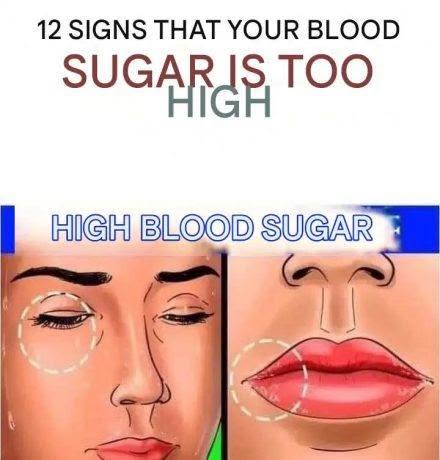
12 possible signs of high blood glucose
- Increased thirst
- Dry mouth
- Frequent urination, especially at night
- Unusual tiredness or weakness
- Blurred vision
- Headaches
- Unintentional weight loss
- Recurrent urinary, skin, or yeast infections
- Cuts or wounds that heal slowly
- Nausea or stomach discomfort
- Sweet or fruity-smelling breath
- Difficulty concentrating or confusion when glucose becomes very high (CDC)
These symptoms do not prove that someone has high blood sugar—many other conditions can cause them. A blood-glucose test and, when appropriate, an A1C test are much more reliable than trying to diagnose high blood sugar from symptoms.
🚨 When it’s urgent
Very high blood glucose accompanied by vomiting, abdominal pain, rapid/deep breathing, fruity-smelling breath, marked drowsiness, or confusion can indicate diabetic ketoacidosis or another serious metabolic emergency. Seek emergency medical care rather than trying to lower the glucose at home. (Wirral Health Care Trust)
Bottom line: Persistent thirst, frequent urination, fatigue, blurred vision, or unexplained weight loss are good reasons to have your blood glucose checked—but symptoms alone aren’t a “blood sugar meter.”