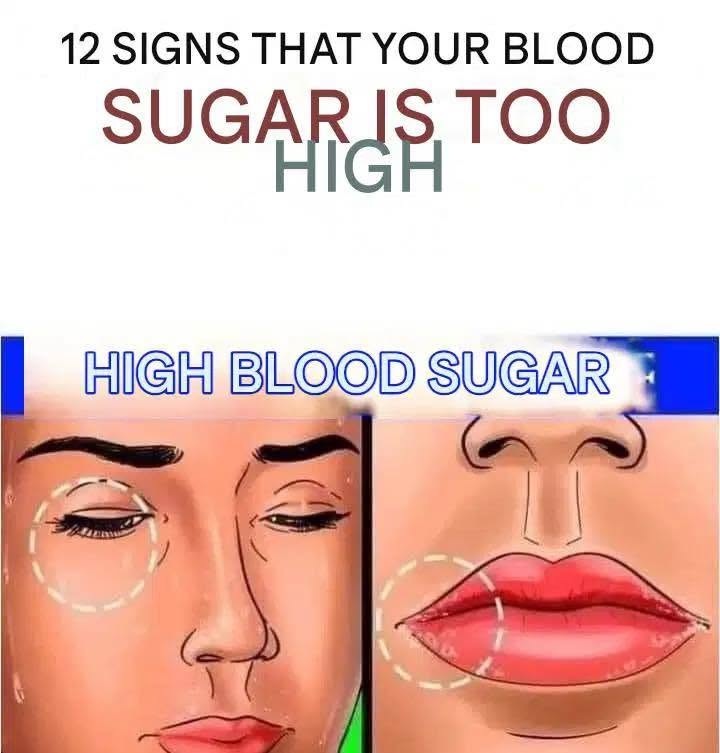
If you’re referring to “The High-Sugar Alert: 12 key symptoms your body is showing you,” the important distinction is that these are generally signs of high blood glucose (hyperglycemia), not simply evidence that you ate too much sugar.
🩸 Possible signs of high blood sugar
Increased thirst
Frequent urination
Dry mouth
Feeling unusually tired or weak
Blurred vision
Increased hunger
Unexplained weight loss
Headaches
Difficulty concentrating
Slow-healing cuts or sores
Repeated infections, including urinary, skin, or yeast infections
Tingling or numbness in the hands or feet—more commonly associated with longer-term diabetes-related nerve damage.
N
NIDDK
+1
However, type 2 diabetes can develop with few or no noticeable symptoms, so feeling normal doesn’t necessarily mean your blood sugar is normal.
N
NIDDK
🧪 How to know for sure
Symptoms aren’t enough to diagnose diabetes. A healthcare professional can use blood tests such as fasting blood glucose or HbA1c (A1C) to determine whether you have diabetes or prediabetes.
N
NIDDK
🚨 Don’t ignore severe symptoms
Very high blood glucose can become dangerous. Vomiting, abdominal pain, fruity-smelling breath, difficulty breathing, severe weakness, confusion, or fainting can occur with diabetic ketoacidosis and require urgent medical attention.
N
NIDDK
+1
Bottom line: If you’re experiencing several of these symptoms—especially excessive thirst and urination, unexplained weight loss, or persistent fatigue—getting your blood glucose/A1C checked is much more useful than trying to judge your sugar level from symptoms alone.
N
Sources