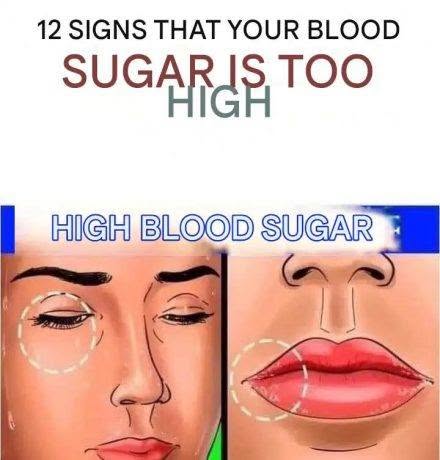
High blood sugar (hyperglycemia) can develop slowly, and some people may have few or no symptoms at first. When blood glucose stays high, the body may show warning signs that should be checked by a healthcare professional.
12 possible signs of high blood sugar
- Increased thirst
- Feeling unusually thirsty even after drinking fluids
- Frequent urination
- Especially waking up at night to urinate
- Increased hunger
- Feeling hungry often despite eating
- Unexplained weight loss
- Losing weight without trying can occur when the body cannot use glucose properly
- Fatigue
- Feeling unusually tired or lacking energy
- Blurred vision
- High glucose levels can temporarily affect the lenses of the eyes
- Slow-healing cuts or wounds
- High blood sugar can impair circulation and immune function
- Frequent infections
- Such as urinary tract infections, skin infections, or recurring yeast infections
- Tingling or numbness
- Especially in the hands or feet (possible nerve involvement)
- Dry mouth or dry skin
- Related to fluid loss from increased urination
- Mood changes or difficulty concentrating
- Fluctuating glucose levels may affect how you feel and think
- Nausea or abdominal discomfort
- More common when blood sugar is very high
When to get medical advice
Consider checking your blood sugar or speaking with a healthcare professional if you have several of these symptoms, especially if you have risk factors such as:
- Family history of diabetes
- High blood pressure
- Overweight or obesity
- History of gestational diabetes
- Being over age 45
Emergency warning signs
Seek urgent medical help for symptoms such as:
- Very high blood sugar readings
- Severe vomiting
- Confusion or extreme drowsiness
- Difficulty breathing
- Severe dehydration
A blood test such as fasting blood glucose or HbA1c can help determine whether blood sugar levels are in a healthy range.