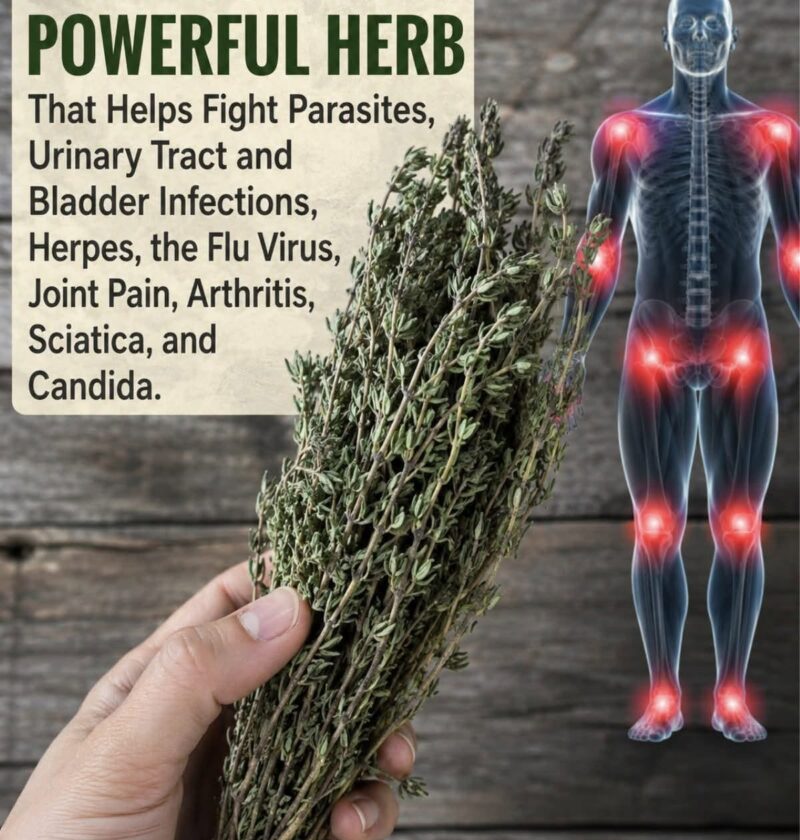
Thymus vulgaris (thyme) is a traditional culinary herb that has been used for centuries in folk medicine. Modern research has investigated some of its compounds—especially thymol and carvacrol—but many health claims about thyme are still based on laboratory studies rather than strong human evidence.
Potential health benefits of thyme
1. Antioxidant properties
- Thyme contains plant compounds that can help protect cells from oxidative stress in laboratory studies.
- Eating thyme as part of a varied diet may contribute beneficial plant compounds.
2. Possible support for cough and respiratory symptoms
- Thyme extracts have been studied in combination with other herbs for cough relief, and some preparations are used traditionally for respiratory discomfort.
- This does not mean thyme can cure infections such as pneumonia or replace medical treatment when needed.
3. Antimicrobial activity
- Thyme essential oil shows antibacterial and antifungal effects in laboratory research.
- Concentrated essential oils are not the same as eating thyme and should not be taken internally unless specifically formulated and used appropriately.
4. Digestive support
- Traditionally, thyme has been used to support digestion and relieve mild stomach discomfort, though strong clinical evidence is limited.
5. Nutrient contribution
- As a seasoning, thyme adds flavor while providing small amounts of vitamins, minerals, and beneficial plant compounds.
Safety considerations
- Culinary amounts of thyme are generally considered safe for most people.
- Concentrated thyme oil can cause irritation or other problems if misused.
- People who are pregnant, have hormone-sensitive conditions, bleeding disorders, or take blood-thinning medications should ask a healthcare professional before using high-dose thyme supplements.
Bottom line
Thyme is a healthy, flavorful herb with promising biological properties, but it is not a “miracle cure” for infections, chronic diseases, or major health problems. Its best-supported role is as part of a balanced diet and, in some cases, as a component of specific herbal preparations studied for symptom relief.
If you are interested in thyme for a specific purpose (such as cough, immunity, digestion, blood sugar, or inflammation), I can explain what the research says for that use.