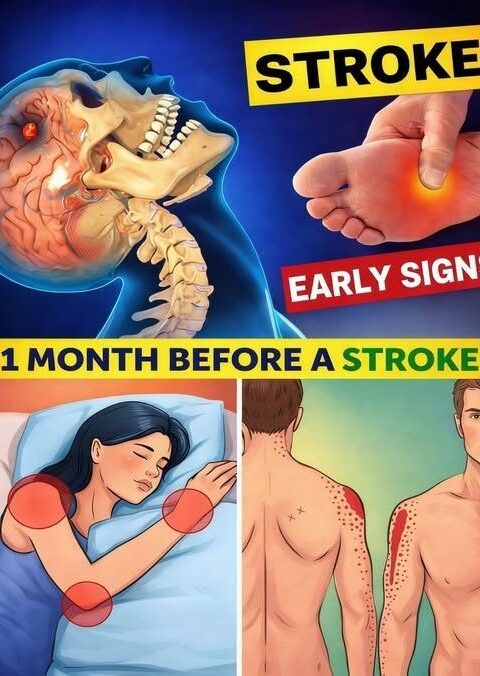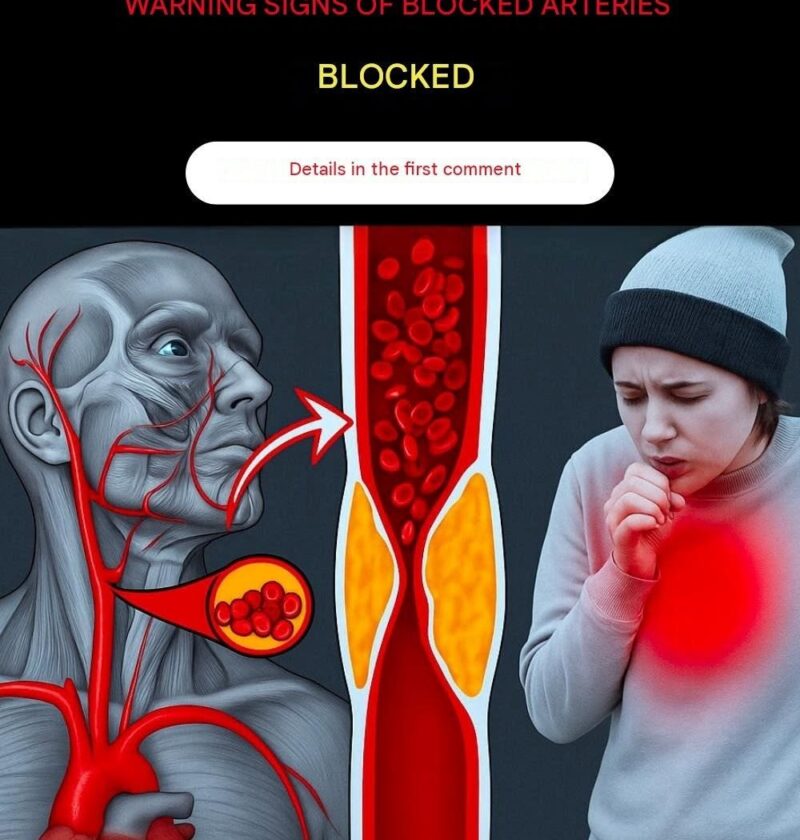
Arterial blockages (often caused by atherosclerosis) can develop gradually and may not cause symptoms until blood flow is significantly reduced. The warning signs depend on which arteries are affected, and some blockages can remain completely silent until a serious event occurs.
Some important signs to watch for include:
- Chest discomfort or pressure: A feeling of tightness, squeezing, heaviness, or pain—especially during physical activity or emotional stress—that improves with rest can be a sign of reduced blood flow to the heart.
- Shortness of breath: Difficulty breathing during routine activities may occur even without chest pain.
- Pain in the legs while walking: Cramping, aching, or fatigue in the calves, thighs, or buttocks that goes away with rest can suggest blockages in the leg arteries (peripheral artery disease).
- Coldness, numbness, or color changes in a limb: One foot or leg that is noticeably colder or paler than the other may indicate poor circulation.
- Non-healing wounds on the feet or legs: Slow-healing sores can result from inadequate blood flow.
- Sudden weakness, numbness, or difficulty speaking: These can be signs of reduced blood flow to the brain or a stroke and require immediate emergency care.
- Vision changes: Sudden vision loss or blurred vision in one eye can also signal a problem with blood flow to the brain or eye.
“Silent” risk factors
Many people have arterial blockages without any symptoms. Factors that increase the risk include:
- High blood pressure
- High LDL (“bad”) cholesterol
- Diabetes
- Smoking
- Obesity
- Physical inactivity
- Older age
- A family history of early heart disease
When to seek urgent medical care
Call your local emergency services immediately if you experience:
- Chest pain lasting more than a few minutes or accompanied by shortness of breath, sweating, nausea, or pain spreading to the arm, jaw, neck, or back.
- Sudden weakness or numbness on one side of the body.
- Sudden confusion, trouble speaking, or difficulty understanding speech.
- Sudden loss of vision or severe dizziness.
Can blockages be detected before symptoms?
Yes. If you have significant risk factors, a healthcare professional may recommend tests such as:
- Blood pressure and cholesterol measurements
- Blood sugar testing
- An electrocardiogram (ECG), when appropriate
- Stress testing