This is one of those partially true cleaning claims that gets exaggerated online.
Vinegar (white vinegar) can help with laundry—but it’s not a magic “whitening and softening” solution, and using it the wrong way can actually damage clothes or your washing machine.
What vinegar actually does in laundry
✔ Helps remove residue
Vinegar can dissolve:
- Detergent buildup
- Mineral deposits from hard water
- Mild odors
✔ Can make towels feel softer (sometimes)
It works by reducing detergent residue that makes fabric feel stiff.
❌ What it does NOT do
- It does NOT truly “whiten” like bleach
- It does NOT disinfect as strongly as proper sanitizers
- It does NOT replace detergent
The correct way to use vinegar in laundry
1. Use it in the rinse cycle only
Never mix vinegar directly with detergent in the wash cycle.
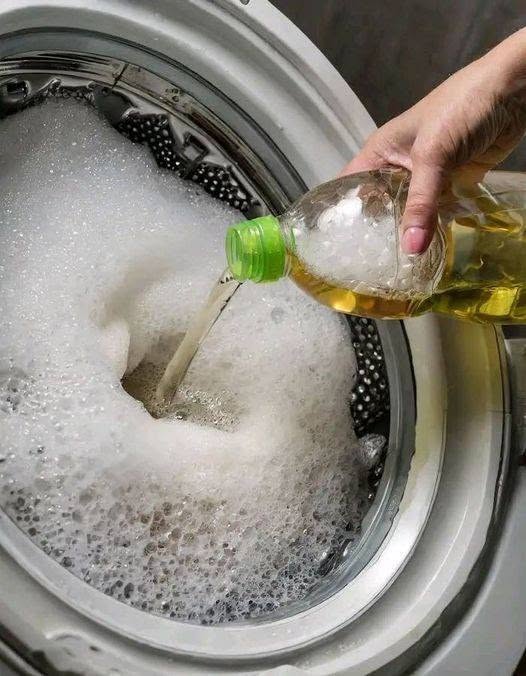
- Add about ½ cup (120 ml) in the fabric softener compartment
- Or pour it during the rinse cycle
2. Don’t overuse it
Using it every wash can:
- Wear down rubber seals in machines over time
- Reduce effectiveness of detergent
- Cause fabric weakening with long-term overuse
3. Best for specific situations
Vinegar works best for:
- Smelly towels
- Musty clothes
- Hard water buildup
- Light odor removal
Common mistakes people make
❌ Mixing vinegar + bleach (dangerous toxic gas risk)
❌ Using vinegar instead of detergent
❌ Expecting it to remove stains or make clothes bright white instantly
❌ Pouring it directly on fabrics undiluted
Better alternatives for whitening towels
If your goal is truly white, fresh towels:
- Use oxygen-based bleach (safer for fabrics)
- Wash in warm/hot water (if fabric allows)
- Don’t overload the washing machine
- Dry in sunlight when possible