Waking Up With a Dry Mouth? Here’s What Your Body Might Be Telling You
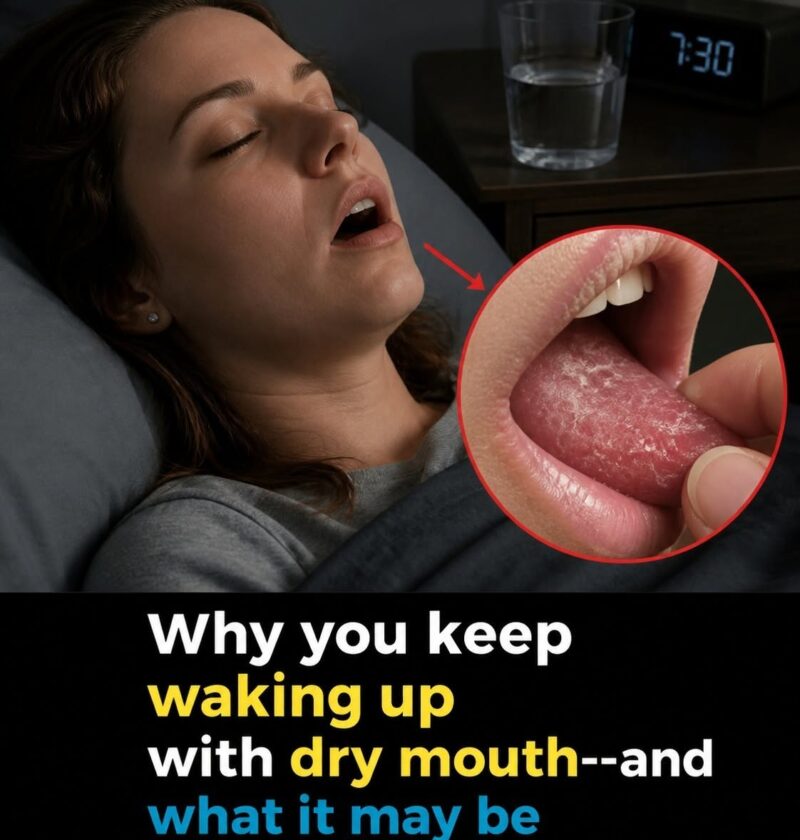
Waking with a dry mouth is common and usually isn’t a sign of something serious. But if it happens regularly, it can point to dehydration, mouth breathing, medication effects, or occasionally an underlying health condition.
N
nhs.uk
+1
Common reasons
Not drinking enough fluids during the day can leave you dehydrated overnight.
Sleeping with your mouth open—often because of a blocked nose—can dry the mouth considerably.
Medications are a very common cause. Antihistamines, antidepressants, diuretics and several other medicines can reduce saliva.
Anxiety or stress can contribute to dry mouth.
Diabetes can cause increased thirst and dry mouth, particularly when blood glucose is elevated.
N
nhs.uk
+2
Less commonly, persistent dry mouth can occur with conditions such as Sjögren’s syndrome or salivary-gland problems.
U
UCL Hospitals
What you can try
Keep water beside your bed and take regular sips during the day. Sugar-free gum or sugar-free lozenges can stimulate saliva. Maintaining good dental hygiene is particularly important because reduced saliva increases the risk of tooth decay and gum problems.
N
nhs.uk
If your dry mouth persists for several weeks, makes eating or speaking difficult, or occurs together with frequent urination, excessive thirst, or dry eyes, it’s worth discussing with a doctor or dentist.
N
nhs.uk
Don’t stop a prescribed medication on your own, even if you suspect it’s causing the dryness. A clinician or pharmacist can determine whether an alternative is appropriate.
N
U
Sources