Here’s a detailed, medically responsible version:
💧 What Does the Color of Your Urine Say About Your Health?
Have you ever looked in the toilet and wondered whether the color of your urine is normal?
Urine color can sometimes provide clues about hydration, foods, medications, and certain health conditions. But color alone cannot diagnose a disease.
🟨 Pale Yellow — Usually Normal
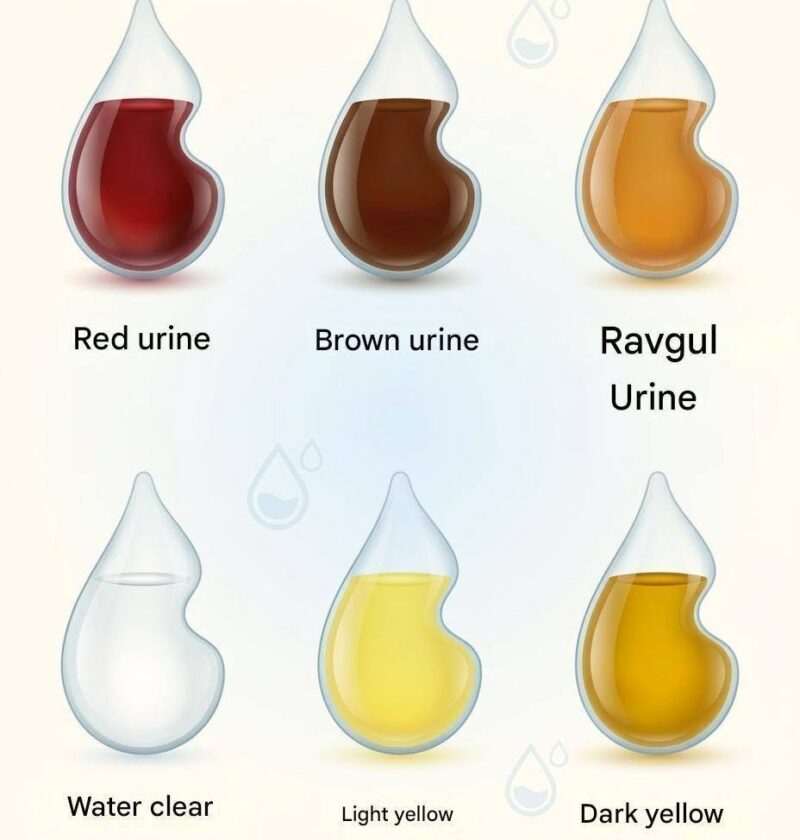
Light yellow or straw-colored urine is generally a sign of normal hydration. The yellow color comes largely from a natural pigment called urochrome.
💧 Very Clear — You May Be Drinking a Lot
Completely clear urine can occur when you’re drinking a large amount of fluid. It isn’t necessarily a problem, but constantly drinking excessive amounts of water isn’t beneficial either.
🟡 Dark Yellow or Amber — Possible Dehydration
Darker yellow urine can occur when you’re dehydrated, particularly if you’re also thirsty, tired, or urinating less often. Drinking fluids can usually return the urine to a lighter color.
🟠 Orange — Check the Cause
Orange urine can result from dehydration or certain medications and supplements. If it persists without an obvious explanation, contact a healthcare professional.
🩷 Pink or Red — Don’t Automatically Assume It’s Blood
Red or pink urine can occur after eating certain foods, such as beets, but it can also indicate blood in the urine. Urinary infections, kidney stones, and other conditions can cause blood in urine.
If you see unexplained red or pink urine, it should be medically evaluated.
🟤 Brown or Cola-Colored — Needs Attention
Brown urine can occur with significant dehydration, certain medications or foods, or medical conditions affecting the liver, kidneys, or muscles.
If brown or cola-colored urine persists—or occurs with other symptoms—seek medical advice promptly.
🟢 or 🔵 Green/Blue — Sometimes Caused by Medicines or Dyes
Green or blue urine is uncommon but can sometimes be caused by medications, food dyes, or medical dyes. If you cannot explain the color, have it checked.
☁️ Cloudy or Milky Urine
Cloudy urine can have several causes, including dehydration, urinary crystals, or a urinary tract infection. If it comes with burning when urinating, frequent urination, fever, pain, or a strong odor, medical evaluation is appropriate.
🚨 When Should You Get Help?
Seek medical advice if urine color changes persist without an obvious explanation, particularly if you also have:
• Blood in the urine
• Pain in your back, side, or abdomen
• Burning or pain when urinating
• Fever or chills
• Yellowing of the skin or eyes
• Very little urine or difficulty urinating
• Severe weakness or feeling unwell
❤️ The Bottom Line
Urine color can offer a useful clue, but it is not a diagnostic test. Hydration, diet, medications, supplements, and many medical conditions can change urine color.
If you’re concerned about a persistent or unusual change, don’t rely on a color chart alone—talk to a healthcare professional.
💧 Your urine can give you clues, but your overall symptoms and proper medical testing tell the real story.