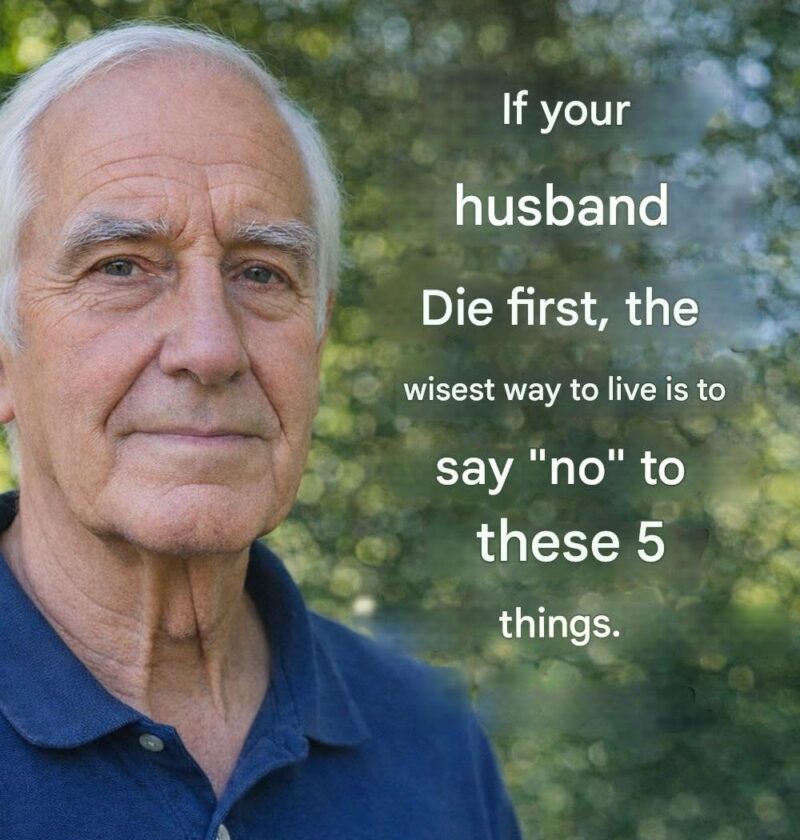
If you’re fact-checking this headline, the “5 mistakes” framing isn’t a medical rule, but there are some genuinely important things to avoid after losing a spouse or long-term partner—especially later in life.
5 mistakes to avoid after losing your partner
1. Don’t isolate yourself completely.
Grief can make you want to withdraw, but maintaining contact with trusted family, friends, community groups, or a bereavement support group can make coping easier. The National Institute on Aging notes that people grieve differently and that social support and professional help can be useful. (National Institute on Aging)
2. Don’t make major financial decisions while overwhelmed by grief.
Avoid rushing to sell your home, give away assets, make large investments, or hand control of finances to someone simply because you’re vulnerable. Take time and, where appropriate, get independent legal or financial advice. Older adults can also be targeted by financial scams. (American Psychological Association)
3. Don’t neglect your own health.
Grief can disrupt sleep, appetite, exercise, medication routines, and medical appointments. Keep basic routines going as much as possible and stay in contact with your healthcare professional.
4. Don’t feel that you have to “get over it” quickly.
There is no fixed timetable for grief. Sadness, anger, guilt, loneliness, and even relief can occur, and people experience bereavement differently. (National Institute on Aging)
5. Don’t try to handle everything alone.
Practical tasks—banking, paperwork, housing, healthcare, household responsibilities—can suddenly become overwhelming. Ask trusted people for specific help rather than trying to manage everything yourself. Planning and organizing important legal and financial documents can also protect your independence. (National Institute on Aging)
❤️ Most important
Losing a partner after 60 doesn’t mean life cannot become meaningful again. The goal isn’t to forget your partner; it’s to gradually build a life that can hold both the loss and new sources of connection and purpose.
If grief remains overwhelming, causes persistent hopelessness, or makes it difficult to function, speaking with a doctor or mental-health professional is worthwhile. Most people can gradually adapt to bereavement, particularly with healthy routines and social support. (American Psychological Association)