What does the color of your urine say about your health?
Urine color can give you a useful clue about hydration, but it isn’t a diagnosis. Food, vitamins, medicines, and certain illnesses can also change its color.
G
Guy’s and St Thomas’ NHS
+1
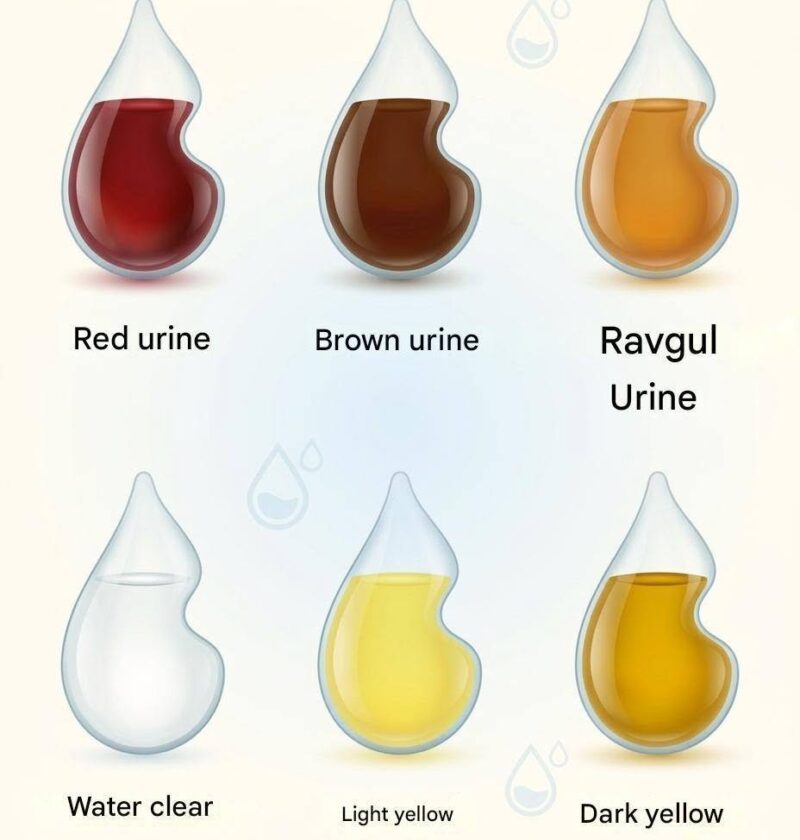
Pale yellow/straw: Usually indicates good hydration.
N
nhs.uk
Dark yellow/amber: Often means the urine is concentrated and you may need more fluids, particularly in hot weather or after exercise.
R
Royal Devon NHS
Very clear: Usually means you’re well hydrated or drinking a lot. There’s generally no need to force excessive amounts of water.
Bright/neon yellow: Vitamins, particularly some B-vitamin supplements, can produce this color and aren’t necessarily a sign of illness.
L
Lancashire NHS Trust
Cloudy: Can occur with a urinary tract infection, especially when accompanied by burning, frequent urination, fever, or lower abdominal/back pain.
N
nhs.uk
Pink or red: Beets and some medicines can cause this, but it can also indicate blood in the urine. Blood should be checked by a healthcare professional, even if it happens only once.
N
nhs.uk
Dark brown: Very concentrated urine can look dark, but brown urine can have other causes and shouldn’t simply be assumed to be dehydration if it persists.
G
Guy’s and St Thomas’ NHS
+1
Orange: Can occur when urine is highly concentrated, but medicines and other conditions can also cause it. Persistent unexplained orange urine deserves medical advice.
G
Guy’s and St Thomas’ NHS
🚨 When to get checked
Contact a healthcare professional if you notice blood/red or dark-brown urine, persistent unusual discoloration without an obvious explanation, or changes accompanied by pain, burning, fever, back/side pain, or substantially reduced urination.
N
nhs.uk
+1
Bottom line: For most people, pale yellow urine is a reassuring sign of adequate hydration. Urine color is useful as a clue, but it cannot by itself tell you whether your kidneys or other organs are healthy.
G
N
R
Sources