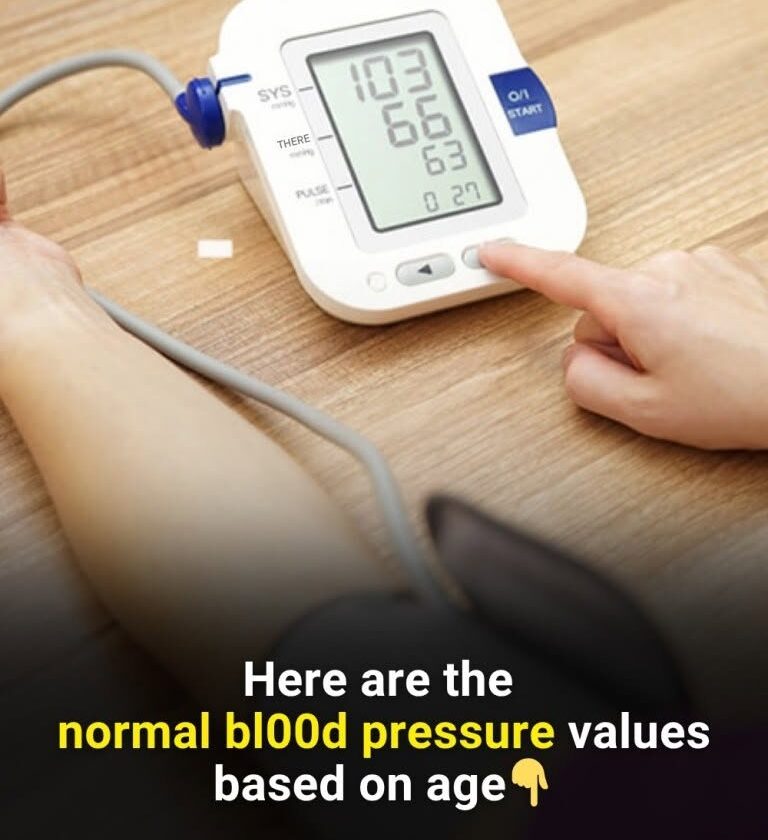
🩺 What Is Normal Blood Pressure for Your Age? A Clear, Updated Guide
A common myth is that “normal blood pressure rises naturally with age.” For adults, current guidelines do not give a separate “normal” blood-pressure range for each decade of life. The same adult categories are generally used whether you’re 30, 50, 70, or 80. The 2025 American Heart Association/American College of Cardiology guideline sets a treatment goal of below 130/80 mmHg for adults. (international.heart.org)
Adults: the useful numbers
| Reading | Category |
|---|---|
| Below 120/80 | Normal |
| 120–129 and <80 | Elevated |
| 130–139 or 80–89 | Stage 1 hypertension |
| ≥140 or ≥90 | Stage 2 hypertension |
| >180 and/or >120 | Severe hypertension — needs prompt attention |
A single elevated reading doesn’t by itself establish a diagnosis. Blood pressure should be measured correctly and assessed with repeated readings.
👴 What about people over 65?
Being older doesn’t make 150/90 “normal.” It remains high blood pressure. However, the appropriate treatment target can be individualized for someone who is very frail or has other medical conditions.
So, for example:
- 70 years old + 118/76: normal
- 70 years old + 128/78: elevated
- 70 years old + 138/84: stage 1 hypertension
- 70 years old + 150/90: stage 2 hypertension
👧 Children are different
For children under 13, blood pressure is interpreted according to age, sex, and height percentile, rather than using the adult table. For adolescents 13 and older, adult-style thresholds are used. (AAP Publications)
🚨 When is it an emergency?
If a reading is over 180/120 mmHg, repeat it after a short rest. If it remains that high, seek urgent medical advice. If very high blood pressure occurs with chest pain, severe shortness of breath, weakness/numbness, vision changes, confusion, or difficulty speaking, seek emergency medical care immediately.
Bottom line: There isn’t a special “normal BP” number for every adult age. Around 120/80 or lower is considered normal, while persistent readings of 130/80 or above deserve attention rather than being dismissed as “normal for your age.” (international.heart.org)