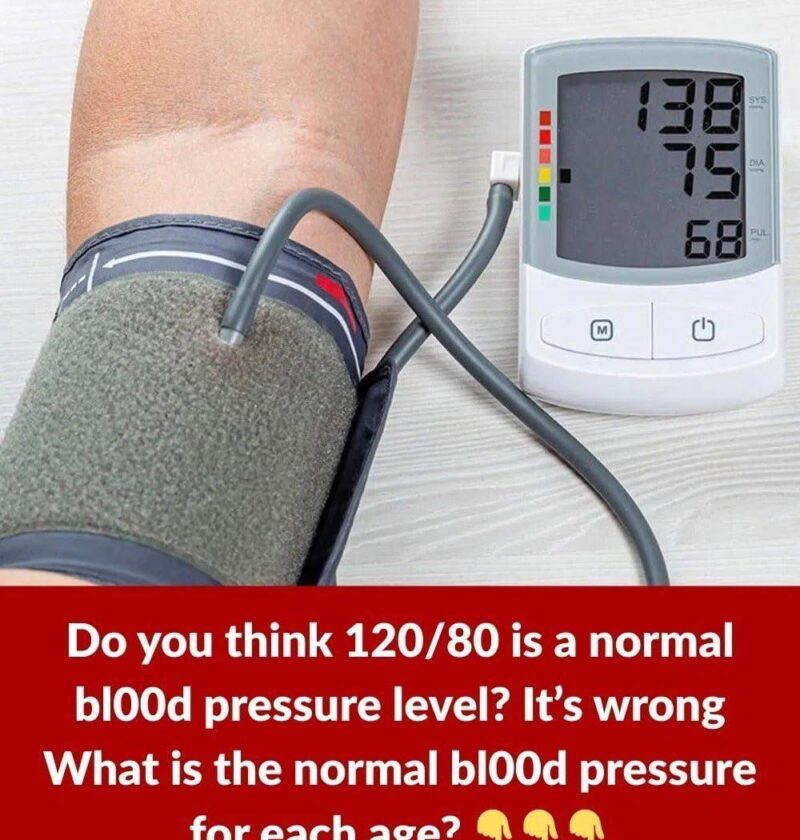
Blood pressure does not have a completely different “normal” value for each age. For most adults, the healthy target is generally around less than 120/80 mmHg, but blood pressure tends to rise slightly as people get older. Individual targets can vary based on health conditions and medical advice.
Typical blood pressure ranges by age
| Age group | Common healthy range (approx.) |
|---|---|
| Newborns (0–1 month) | About 60–90 / 30–60 mmHg |
| Infants (1–12 months) | About 87–105 / 53–66 mmHg |
| Children (1–5 years) | About 95–110 / 60–75 mmHg |
| Children (6–12 years) | About 100–120 / 60–75 mmHg |
| Teenagers (13–18 years) | About 110–130 / 65–85 mmHg |
| Adults (18–39 years) | Around 110–130 / 70–80 mmHg |
| Adults (40–59 years) | Around 110–135 / 70–85 mmHg |
| Adults 60+ years | Often around 120–140 / 70–85 mmHg (targets may differ by health status) |
Adult blood pressure categories
- Normal: Less than 120/80 mmHg
- Elevated: 120–129 systolic and less than 80 diastolic
- High blood pressure (Stage 1): 130–139 systolic or 80–89 diastolic
- High blood pressure (Stage 2): 140+ systolic or 90+ diastolic
- Hypertensive crisis: 180+ systolic and/or 120+ diastolic (requires urgent attention, especially with symptoms)
A single high reading does not always mean you have hypertension. Blood pressure can temporarily rise from stress, pain, exercise, caffeine, or illness. For a more accurate picture, it’s usually measured several times on different days.
If you tell me the person’s age and blood pressure reading (for example, 145/90), I can help interpret whether it is in a typical range.