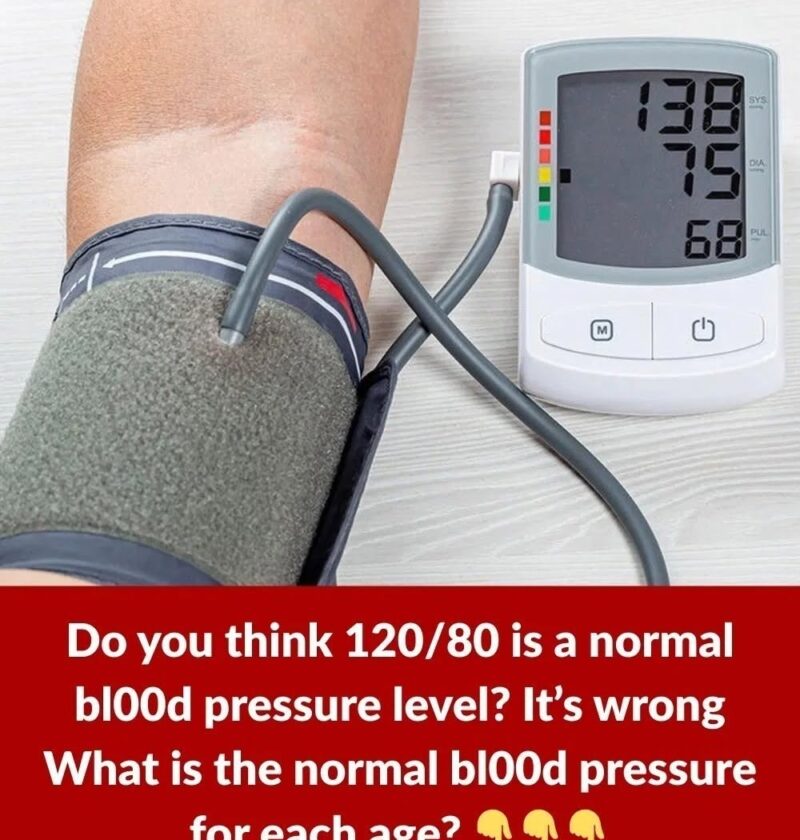
A common misconception is that there is a different “normal” blood pressure for every age. Modern medical guidelines generally use the same adult targets regardless of age, although doctors may individualize goals based on health conditions.
Normal Blood Pressure for Adults
| Category | Systolic (Top Number) | Diastolic (Bottom Number) |
|---|---|---|
| Normal | Less than 120 | Less than 80 |
| Elevated | 120–129 | Less than 80 |
| High Blood Pressure (Stage 1) | 130–139 | 80–89 |
| High Blood Pressure (Stage 2) | 140 or higher | 90 or higher |
Example of a normal reading:
120/80 mmHg or lower
Typical Ranges by Age
While blood pressure tends to rise with age, these are average ranges, not ideal targets:
| Age | Typical Average Range |
|---|---|
| 18–39 | Around 110–119 / 70–79 |
| 40–59 | Around 120–129 / 75–84 |
| 60+ | Around 120–139 / 70–89 |
Many healthy older adults can still have blood pressure below 120/80.
For Children
Blood pressure in children is different because normal values depend on:
- Age
- Sex
- Height
A pediatrician uses special charts rather than a single cutoff.
When to Seek Medical Advice
Consider discussing your readings with a healthcare professional if:
- Your blood pressure is consistently 130/80 mmHg or higher
- You have symptoms such as dizziness, chest pain, or shortness of breath
- Your readings vary dramatically
Emergency
Seek urgent medical care if blood pressure is 180/120 mmHg or higher, especially if accompanied by symptoms such as chest pain, severe headache, vision changes, weakness, or confusion.
Bottom line
For most adults, a blood pressure below 120/80 mmHg is considered normal, regardless of age. Age can affect average readings, but getting older does not automatically make high blood pressure “normal.”