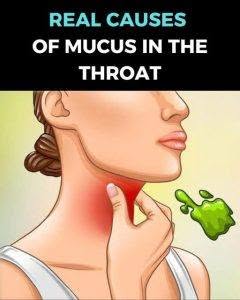
The Real Causes of Constant Phlegm and Mucus in the Throat — and How to Get Rid of It
Constant phlegm or the feeling of mucus stuck in the throat is common and can happen for many reasons. The cause is not always “too much mucus”; sometimes it is irritation, inflammation, or mucus draining from another area.
Common causes of persistent throat mucus
1. Postnasal drip (mucus from the nose and sinuses)
- Allergies, colds, sinus irritation, or nasal congestion can cause mucus to run down the back of the throat.
- Often causes throat clearing, coughing (especially at night), or a “lump” feeling.
2. Acid reflux (GERD or silent reflux)
- Stomach acid can irritate the throat and trigger extra mucus production.
- Signs may include:
- Hoarseness
- Frequent throat clearing
- Sour taste
- Cough after meals or when lying down
3. Allergies
- Dust, pollen, mold, pets, and pollution can keep the nose and throat inflamed.
- Mucus may be clear but persistent.
4. Smoking or exposure to irritants
- Cigarette smoke, vaping, chemicals, and air pollution can damage airway lining and increase mucus.
5. Dehydration
- When the body lacks fluids, mucus becomes thicker and harder to clear.
6. Chronic sinus problems
- Long-term sinus inflammation or infection can cause ongoing drainage into the throat.
7. Asthma or airway sensitivity
- Some people produce extra mucus with asthma, even without obvious wheezing.
Ways to reduce throat mucus
1. Drink enough fluids
Water helps thin mucus so it is easier to clear.
2. Use steam or humidified air
Warm, moist air may soothe irritated airways and loosen thick mucus.
3. Try nasal saline rinses or sprays
Saline can wash away allergens and reduce nasal mucus buildup.
4. Identify triggers
Notice whether mucus worsens after:
- Dairy foods (some people feel thicker mucus, although dairy does not usually increase mucus production)
- Dust exposure
- Certain foods
- Cold air
- Smoke
5. Manage reflux if suspected
Helpful habits include:
- Avoid lying down for 2–3 hours after eating
- Reduce large late-night meals
- Limit foods that trigger symptoms (often spicy, fatty, acidic foods, caffeine, or alcohol)
6. Avoid frequent harsh throat clearing
Repeated throat clearing can irritate the vocal cords and create a cycle of more irritation. Try sipping water or swallowing instead.