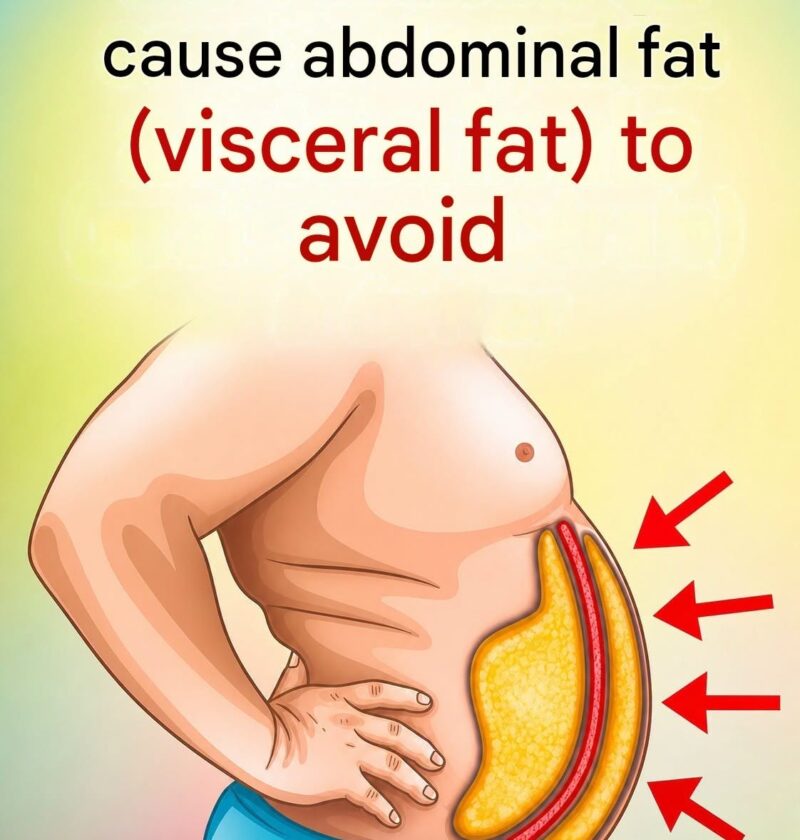
6 Foods That Can Contribute to Abdominal Fat (Visceral Fat) — and What to Choose Instead
Visceral fat is the fat stored deep inside the abdomen around internal organs. Having excess visceral fat is associated with a higher risk of health problems such as insulin resistance, heart disease, and metabolic disorders. Diet is one factor that can influence visceral fat levels, along with physical activity, sleep, stress, genetics, and overall calorie balance.
Here are 6 types of foods that are commonly linked with increased abdominal fat when eaten frequently or in excess:
1. Sugary drinks
Examples:
- Soft drinks
- Sweetened juices
- Energy drinks
- Sweet tea and coffee drinks
Why limit them: Liquid sugar is easy to consume in large amounts and may contribute to excess calorie intake and increased fat storage.
Better choices:
- Water
- Unsweetened tea
- Sparkling water
2. Refined carbohydrates
Examples:
- White bread
- Many pastries
- Cookies
- Some processed cereals
- Foods made with refined flour
Why limit them: Refined carbs are often low in fiber and can cause rapid rises in blood sugar, which may promote overeating.
Better choices:
- Whole-grain bread
- Oats
- Brown rice
- Beans and lentils
3. Ultra-processed snack foods
Examples:
- Chips
- Packaged sweets
- Fast-food snacks
- Processed snack bars
Why limit them: These foods are often high in calories, unhealthy fats, salt, and added sugars while being less filling.
Better choices:
- Nuts (in moderate portions)
- Fresh fruit
- Yogurt without added sugar
4. Processed meats
Examples:
- Sausages
- Hot dogs
- Some deli meats
- Bacon
Why limit them: Frequent consumption is associated with poorer metabolic health and may make maintaining a healthy weight more difficult.
Better choices:
- Fish
- Eggs
- Beans
- Lean poultry
5. Excess alcohol
Examples:
- Regular heavy beer consumption
- Sugary cocktails
- Frequent high-calorie alcoholic drinks
Why limit it: Alcohol can add extra calories and may affect fat metabolism, especially when consumed frequently.
Better choices:
- Water or low-calorie drinks
- Moderate alcohol intake if you choose to drink
6. High-calorie desserts and sweets
Examples:
- Cakes
- Ice cream
- Candy
- Sweet pastries
Why limit them: They often combine sugar and fat, making them easy to overeat.
Better choices:
- Fruit
- Dark chocolate in small amounts
- Homemade lower-sugar desserts
Foods that may help reduce visceral fat risk
A diet pattern emphasizing:
- Vegetables and fruits
- Protein-rich foods
- Legumes
- Whole grains
- Nuts and seeds
- Healthy fats (such as olive oil and fish)
can support healthier body composition.