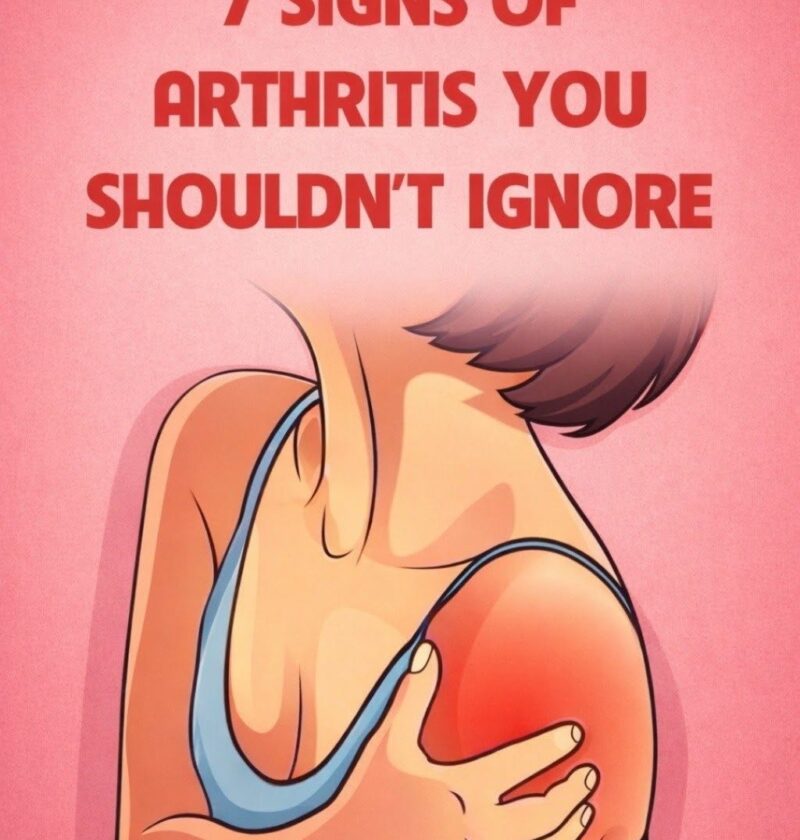
Arthritis is not just “normal aging.” It refers to a group of conditions that can affect joints, causing pain, inflammation, stiffness, and reduced movement. Recognizing early signs can help with timely evaluation and treatment.
7 signs of arthritis you shouldn’t ignore
- Persistent joint pain
- Pain that continues for weeks or keeps coming back, especially in the hands, knees, hips, feet, or spine.
- Joint stiffness, especially after rest
- Stiffness that lasts a while after waking up or sitting still may be a sign of inflammation.
- Swelling or warmth around a joint
- A swollen, tender, or warm joint may indicate inflammation.
- Reduced range of motion
- Difficulty bending, gripping, walking, climbing stairs, or doing normal activities.
- Grinding, clicking, or changes in joint function
- Some people notice popping sensations, weakness, or a feeling that a joint is unstable.
- Fatigue or feeling generally unwell
- Certain inflammatory forms of arthritis can cause tiredness, low energy, or flu-like feelings.
- Changes in the appearance of joints
- Enlarged, misshapen, or visibly altered joints should be evaluated.
When to seek medical advice
Consider seeing a healthcare professional if:
- Joint pain or swelling lasts more than a few weeks.
- Symptoms interfere with daily activities.
- You have sudden severe joint swelling, redness, warmth, or fever.
- Multiple joints are affected or symptoms are worsening.
Treatment depends on the type of arthritis. Options may include exercise and physical therapy, weight management when appropriate, pain-relief strategies, and medications that target inflammation or immune activity when needed. Early assessment can help protect joint function and quality of life.