🧬 What high cholesterol actually is
Cholesterol itself is not “bad.” It’s a fat-like substance your body uses to:
- build cell membranes
- produce hormones
- support vitamin D synthesis
The concern is when levels of certain types—especially LDL cholesterol—become elevated in the blood.
Cholesterol
Low-density lipoprotein (LDL cholesterol)
⚠️ Why it’s called a “silent” condition
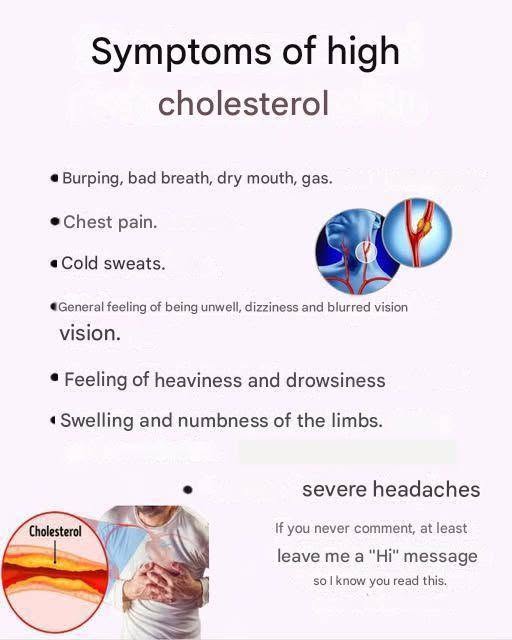
High cholesterol usually causes:
- no pain
- no obvious symptoms
- no early warning signs
That’s why many people only discover it after a blood test or after complications develop.
🫀 The real danger: artery damage over time
Persistently high LDL can contribute to a process called:
Atherosclerosis
This is when cholesterol gradually builds up inside artery walls, forming plaques that:
- narrow blood vessels
- reduce blood flow
- can rupture and trigger clots
Over time, this increases risk of:
- heart attack
- stroke
- peripheral artery disease
🧾 Who is more at risk?
High cholesterol risk tends to increase with:
- diets high in saturated/trans fats
- low physical activity
- smoking
- diabetes
- genetics (familial hypercholesterolemia)
- age
Hypercholesterolemia
Some people can look completely healthy but still have very high LDL due to genetics.
🧪 Why testing matters more than symptoms
Because there are no clear symptoms, the only reliable way to know is:
- lipid profile blood test
- sometimes advanced risk scoring (cardiovascular risk assessment)
Doctors often look at:
- LDL (“bad” cholesterol)
- HDL (“good” cholesterol)
- triglycerides
- total cholesterol
🥗 Can lifestyle reverse it?
In many cases—yes, at least partially.
Evidence-based improvements include:
- reducing saturated fats (fried foods, processed snacks)
- increasing fiber (oats, legumes, vegetables)
- regular aerobic exercise
- weight management
- stopping smoking
Some people still require medication depending on risk level, especially if LDL is very high or there’s existing heart disease risk.
🧠 Key takeaway
High cholesterol isn’t dangerous because you “feel it”—it’s dangerous because of what it quietly does to blood vessels over years.
That’s why it’s less of a “silent enemy” and more of a silent process that only becomes obvious when damage has already started.
If you want, I can break down what your cholesterol numbers actually mean (LDL, HDL, triglycerides) in a simple way so you can read a lab report without confusion.