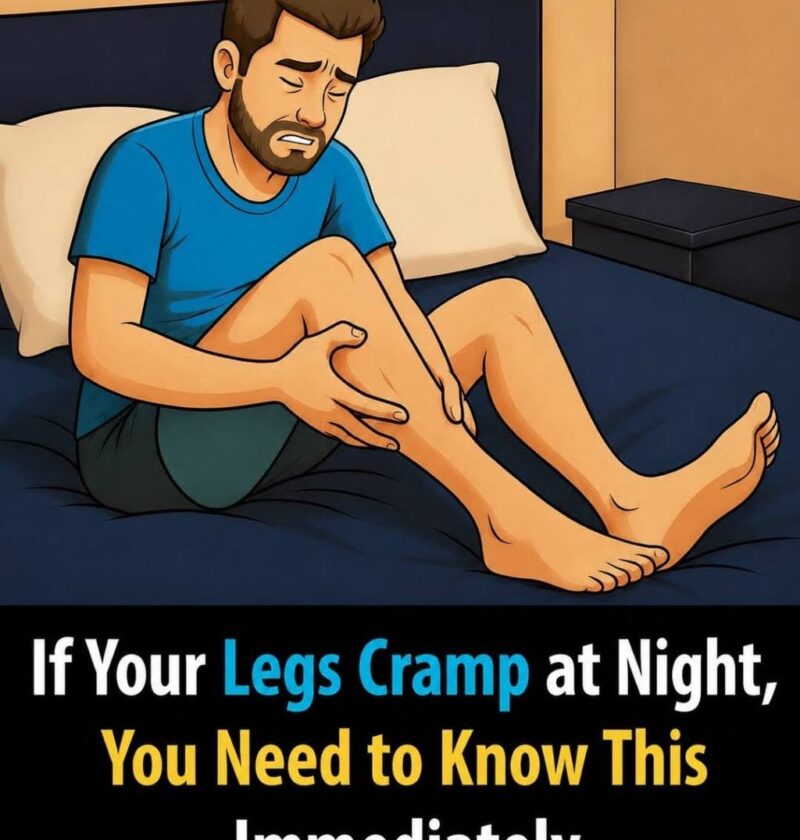
Frequent nighttime leg cramps are sudden, painful muscle contractions that often affect the calves, feet, or thighs and can interrupt sleep. They are common, especially with aging, but frequent cramps can sometimes point to an underlying issue.
Possible reasons for nighttime leg cramps:
- Muscle fatigue or overuse
- Increased walking, standing for long periods, exercise, or unfamiliar activity can strain muscles.
- Dehydration
- Not getting enough fluids may contribute to muscle tightness and cramping.
- Mineral imbalances
- Low levels of nutrients such as magnesium, potassium, or calcium may play a role in some cases. Supplements are most helpful when a deficiency is confirmed.
- Reduced flexibility
- Tight calf muscles or limited stretching can increase the chance of cramps.
- Nerve or circulation problems
- Conditions such as diabetes-related nerve changes, spinal nerve compression, or circulation issues can sometimes cause leg discomfort.
- Medications
- Some medicines, including certain water pills (diuretics) and other drugs, may contribute to cramps in some people.
What to do when a cramp happens:
- Gently stretch the muscle (for a calf cramp, straighten the leg and pull the toes toward you).
- Massage the area.
- Apply warmth with a heating pad or warm shower.
- Walk gently if you can.
Ways to reduce future cramps:
- Stretch your calves and legs regularly, especially before bed.
- Stay hydrated.
- Maintain regular, moderate activity.
- Wear comfortable, supportive shoes.
- Ask a healthcare professional to review medications if cramps are new or worsening.
Get medical advice if:
- Cramps happen often or are becoming more severe.
- One leg is swollen, red, warm, or painful.
- You have weakness, numbness, or changes in walking.
- Cramps began after starting a new medication.
If you’re having these cramps often, it can help to know: How old is the person experiencing them, and are the cramps mainly in the calves, feet, or thighs?