If you’re asking whether the claim is true: daily showers after 65 aren’t inherently harmful, but very hot, long, or heavily soapy showers can be harder on older skin.
The main concerns are:
Dry, fragile skin: Aging skin produces less oil, so frequent hot showers and strong soaps can strip protective oils and worsen dryness, itching, or cracking.
Skin irritation: Older skin may be more sensitive to fragrances and harsh cleansers.
Falls: Wet bathrooms are a significant fall hazard, and balance and muscle strength can decline with age.
Temperature effects: Very hot water can cause dizziness or a drop in blood pressure, particularly in people taking certain medications.
Over-washing isn’t always necessary: For many older adults, bathing every day isn’t required for cleanliness. A gentle shower several times a week, with targeted washing of areas such as the armpits, groin, feet, and face, may be sufficient—unless sweating, incontinence, work, exercise, or a medical condition calls for more frequent bathing.
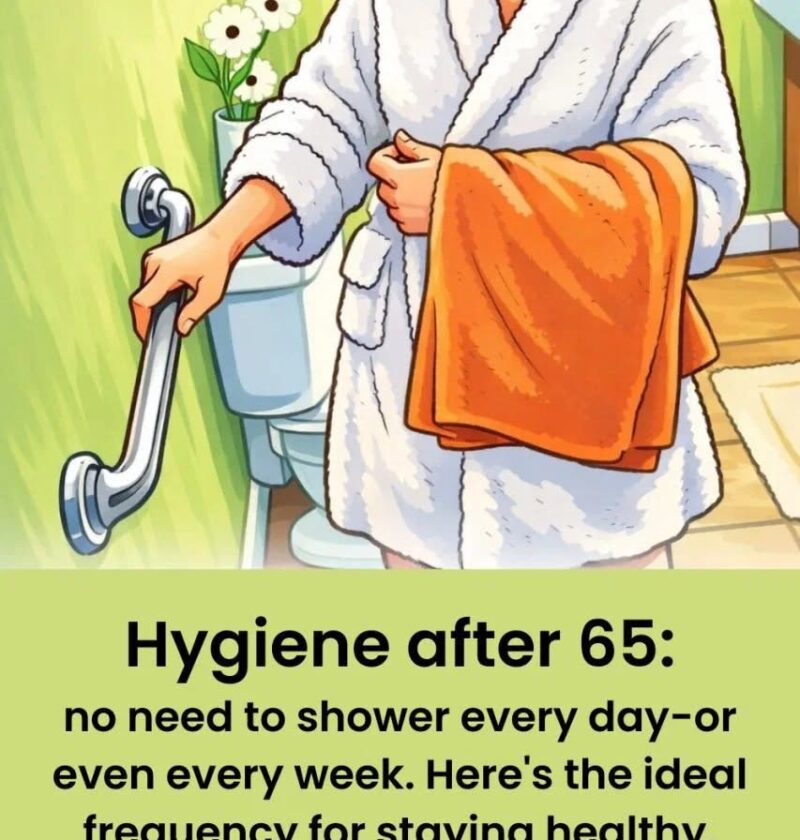
A skin-friendly routine is usually lukewarm water, a short shower, gentle fragrance-free cleanser, and moisturizer immediately afterward. A nonslip mat or shower chair can also reduce fall risk.
If you have persistent itching, rashes, cracked skin, or dizziness while showering, it’s worth discussing with a clinician.