Wish I Saw This Sooner: Simple Ways to Support Digestive Health and Reduce Bloat
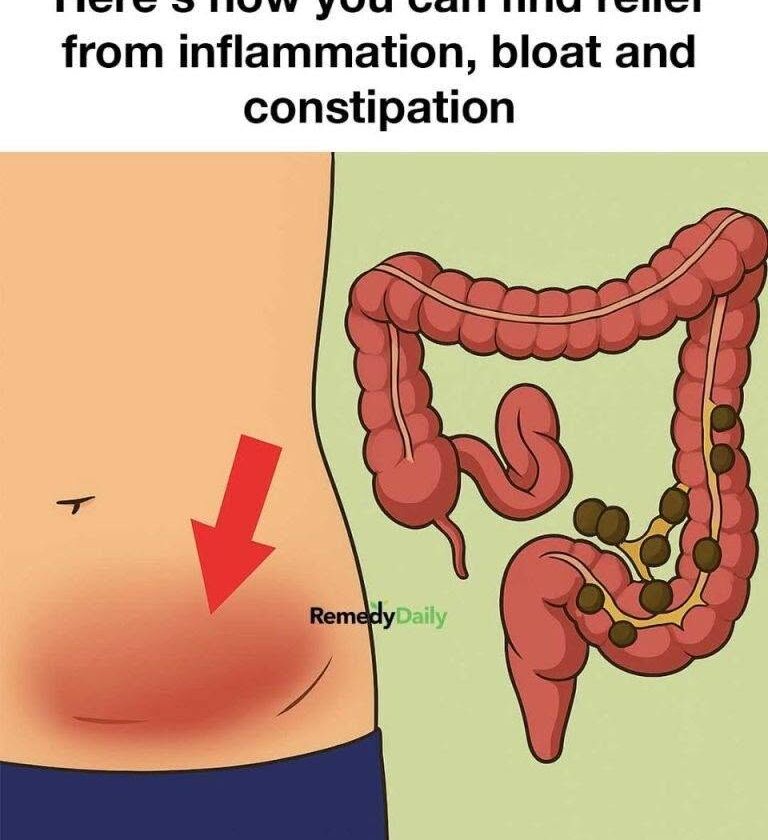
Digestive discomfort caused by inflammation, bloating, and constipation can affect your energy, mood, and overall quality of life. While occasional digestive issues are common, understanding what causes them and making simple lifestyle and dietary changes can help support a healthier gut.
Understanding Inflammation, Bloating, and Constipation
Inflammation is the body’s natural defense response to injury, infection, or irritation. While short-term inflammation plays an important role in healing, ongoing inflammation may contribute to discomfort and digestive problems.
Bloating is the feeling of fullness, pressure, or swelling in the abdomen. It is often linked to excess gas, digestive changes, food sensitivities, or fluid retention.
Constipation occurs when bowel movements become less frequent or difficult to pass. Common causes include insufficient fiber intake, dehydration, lack of physical activity, and slower movement of stool through the digestive system.
Understanding these issues is the first step toward improving digestive comfort and overall gut health.
The Science Behind Digestive Discomfort
Inflammation occurs when the immune system releases chemicals to protect the body from harmful substances. When this response remains active for too long, it may contribute to ongoing irritation and digestive concerns.
Bloating often develops when certain foods are not fully digested and are fermented by gut bacteria, producing gas. Constipation can occur when the digestive system does not receive enough fiber, fluids, or movement to keep bowel function regular.
Lifestyle Changes That May Help
Small daily habits can make a meaningful difference in digestive health. Regular physical activity can encourage natural intestinal movement and support regular bowel habits. Staying properly hydrated helps keep stools softer and easier to pass.
Managing stress is also important because stress can affect digestion. Practices such as yoga, meditation, deep breathing, or simply taking time to relax may help support a calmer digestive system.
Dietary Choices for a Healthier Gut
A balanced diet rich in fiber, probiotics, and nutrient-dense foods can support digestive wellness.
- Fiber-rich foods: Whole grains, fruits, vegetables, beans, and legumes help promote regular bowel movements.
- Probiotic foods: Yogurt and fermented foods can support a balanced gut microbiome.
- Anti-inflammatory foods: Fatty fish, nuts, seeds, olive oil, and leafy greens provide nutrients that support the body’s natural inflammatory balance.
Top Home Remedies for Digestive Relief
Many traditional remedies use simple ingredients that may help ease occasional digestive discomfort.
1. Ginger Tea: A Natural Digestive Support
Ginger contains gingerol, a natural compound with antioxidant and anti-inflammatory properties. Ginger tea is commonly used to help soothe nausea, support digestion, and reduce feelings of bloating.
2. Peppermint Oil: Helping Ease Digestive Discomfort
Peppermint oil may help relax the muscles of the gastrointestinal tract, which can reduce digestive spasms and discomfort. It is often used to support relief from symptoms such as gas and bloating, especially in people with irritable bowel syndrome (IBS).
Note: If you have persistent digestive symptoms, severe pain, blood in stool, unexplained weight loss, or ongoing changes in bowel habits, consult a healthcare professional for proper evaluation.