10 Warning Signs Your Arteries May Be Narrowed or Blocked — and What to Do
Arteries can become narrowed by atherosclerosis, a buildup of cholesterol, fat, calcium, and other substances inside artery walls. This process often develops silently, and many people have no symptoms until a blockage becomes significant.
These signs do not always mean clogged arteries, but they should be evaluated—especially if they are new, worsening, or occur with risk factors such as high blood pressure, diabetes, smoking, or high cholesterol.
1. Chest pressure, tightness, or pain
- A squeezing, heaviness, burning, or pressure-like feeling in the chest may occur when the heart muscle is not getting enough blood.
- It may happen during activity and improve with rest (a pattern known as angina).
2. Shortness of breath
- Difficulty breathing during activity or even at rest can be a sign of reduced heart function or circulation problems.
3. Pain or discomfort spreading to other areas
Heart-related discomfort may spread to:
- Arm (especially the left arm)
- Shoulder
- Neck
- Jaw
- Back
4. Unusual fatigue
- Feeling extremely tired with normal activities can sometimes be a sign that the heart is working harder to compensate for reduced blood flow.
5. Dizziness or lightheadedness
- Reduced blood flow or heart rhythm problems can cause feelings of faintness or instability.
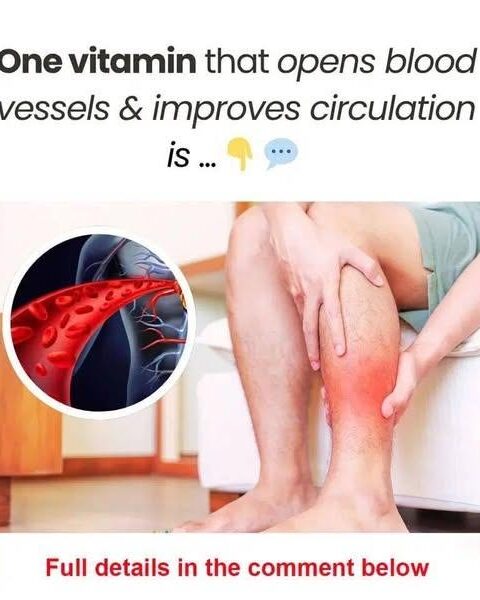
6. Leg pain while walking
- Cramping or aching in the calves, thighs, or hips during walking that improves with rest may indicate peripheral artery disease (PAD).
7. Coldness or color changes in the feet or hands
- Poor circulation may cause one limb to feel colder or appear pale or bluish.
8. Slow-healing wounds
- Reduced blood flow can make cuts or sores, especially on the feet, take longer to heal.
9. Erectile dysfunction
- In some men, circulation problems affecting the arteries can contribute to erectile difficulties.
10. Stroke warning symptoms
Blocked arteries supplying the brain can cause:
- Face drooping
- Arm weakness or numbness (especially on one side)
- Speech difficulty
- Sudden confusion or vision problems
What to do if you’re concerned
Seek emergency help immediately if you have:
- Chest pain or pressure lasting more than a few minutes
- Chest discomfort with sweating, nausea, or shortness of breath
- Sudden weakness on one side of the body
- Sudden trouble speaking or understanding speech
Steps that help protect artery health:
- Control blood pressure and cholesterol
- Stop smoking or avoid tobacco
- Exercise regularly (as appropriate for your health)
- Eat a heart-healthy diet with vegetables, fruits, whole grains, lean proteins, and healthy fats
- Manage diabetes if present
- Maintain a healthy weight
- Take prescribed medications as directed
A healthcare professional can assess your risk using factors such as blood pressure, cholesterol levels, family history, symptoms, and—when appropriate—tests such as an ECG, blood tests, ultrasound, or other heart and circulation evaluations.