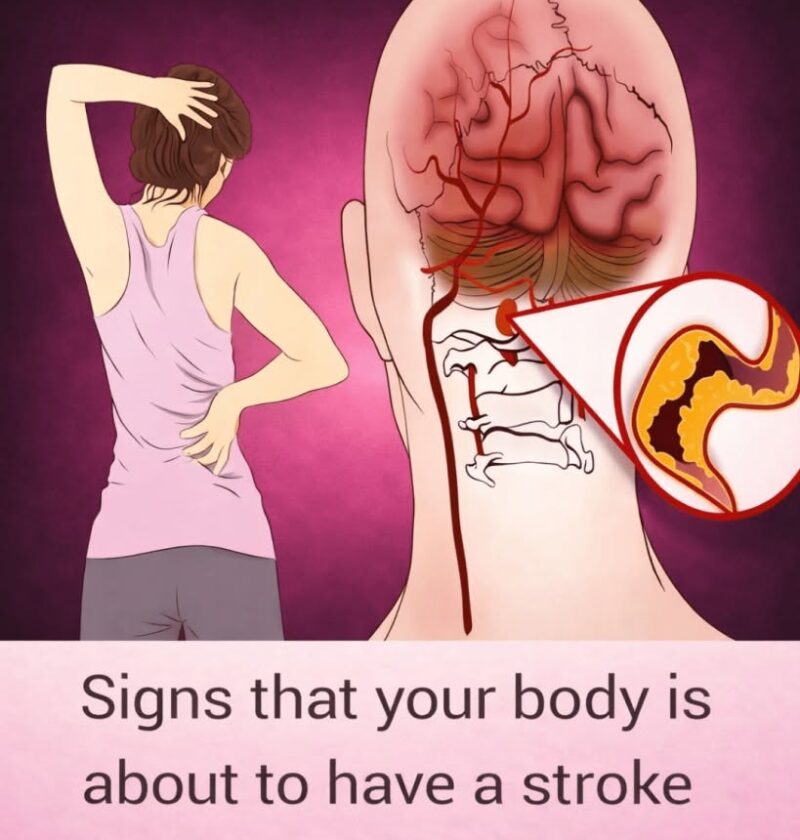
🚨 10 Early Warning Signs of a Stroke Everyone Should Know
A stroke is a medical emergency. Symptoms typically appear suddenly, and rapid treatment can reduce brain damage and disability. Don’t wait to see whether symptoms disappear. (CDC)
10 warning signs to recognize
- Sudden weakness or numbness — especially in the face, arm, or leg on one side of the body.
- Facial drooping — one side of the face may suddenly become uneven or numb.
- Speech difficulty — slurred speech, difficulty finding words, or trouble understanding others.
- Sudden vision changes — blurred, double, or lost vision in one or both eyes.
- Sudden dizziness — particularly when accompanied by difficulty walking or other neurological symptoms.
- Loss of balance or coordination — sudden unsteadiness, stumbling, or inability to walk normally.
- Sudden confusion — difficulty understanding, thinking clearly, or following instructions.
- Sudden severe headache — especially a severe headache with no known cause.
- Sudden difficulty walking — a new inability to walk normally or coordinate movements.
- Sudden loss of ability to perform a familiar task — for example, suddenly being unable to use an arm normally or understand familiar speech. (CDC)
🧠 Remember B.E. F.A.S.T.
B — Balance: sudden loss of balance or coordination
E — Eyes: sudden vision changes
F — Face: facial drooping
A — Arm: weakness or numbness
S — Speech: difficulty speaking or understanding
T — Time: call emergency medical services immediately (www.stroke.org)
⚠️ Even if the symptoms disappear
A brief episode can be a TIA (“mini-stroke”). It still requires urgent medical evaluation because you cannot safely determine at home whether the symptoms were a TIA or a completed stroke. The American Stroke Association specifically advises getting emergency help even when symptoms go away. (www.heart.org)
If these symptoms are happening now, don’t drive yourself to the hospital. Call your local emergency medical service and note the time the symptoms started.
Bottom line: The key word is SUDDEN. Sudden changes in facial movement, strength, speech, vision, balance, coordination, or mental function should be treated as a possible stroke until a medical professional rules it out.